
Torsades de Pointes: Causes, Risks, and Medications That Can Trigger It
When your heart’s electrical system gets disrupted, it can start beating in a wild, unpredictable pattern called torsades de pointes, a life-threatening type of irregular heartbeat that twists on an ECG like a spiral. Also known as polymorphic ventricular tachycardia, it doesn’t just cause dizziness—it can stop your heart dead if not treated fast. This isn’t something that happens out of nowhere. It’s usually triggered by something you’re already taking—a medication, a supplement, or even an imbalance in your body’s minerals.
At the heart of torsades de pointes is QT prolongation, a delay in the heart’s electrical reset after each beat. Think of it like a runner who can’t recover quickly enough between sprints. When that reset takes too long, the heart’s lower chambers get confused and start firing erratically. Many common drugs can cause this, including certain antibiotics, antifungals, antidepressants, and even some heart rhythm meds. Even something as simple as low potassium or low magnesium—often caused by diuretics or poor diet—can push you over the edge. It’s not rare in people taking multiple drugs that affect the heart’s rhythm, especially older adults or those with kidney disease.
What makes torsades de pointes so dangerous is how quiet it can be before it strikes. You might feel your heart flutter, get lightheaded, or just feel off—but many people don’t notice anything until they faint or collapse. That’s why knowing your risk matters. If you’re on a drug known to prolong the QT interval, your doctor should check your electrolytes and maybe even run an ECG. It’s not just about avoiding the drug—it’s about understanding the combo. Taking a QT-prolonging antibiotic with a diuretic? That’s a double hit. Skipping meals while on these meds? Your potassium drops. That’s when things turn risky.
The good news? If caught early, torsades de pointes can be reversed. Stopping the trigger drug, correcting electrolytes, and sometimes giving magnesium IV can bring your heart back to normal. But prevention is the real win. Knowing which medications carry this risk, tracking your symptoms, and asking your pharmacist or doctor about interactions can save your life. Below, you’ll find real, practical guides on how drugs interact with your body, what to watch for, and how to avoid hidden dangers in your medicine cabinet.
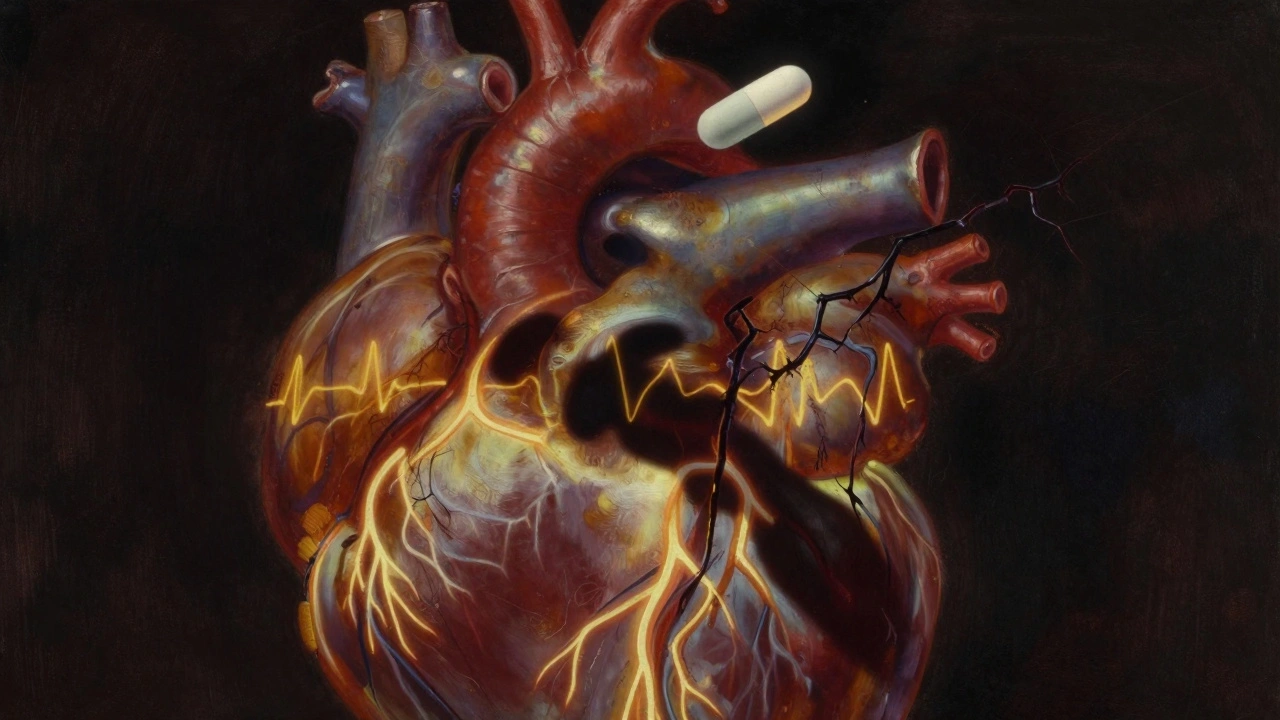
Methadone and QT-Prolonging Drugs: What You Need to Know About the Arrhythmia Risk
Methadone can dangerously prolong the QT interval, especially when combined with other drugs. Learn how this risk builds up, who's most vulnerable, and what steps you can take to protect your heart while staying on treatment.
Read more