
Benzodiazepines for Elderly: Risks, Alternatives, and Safe Use
When it comes to benzodiazepines, a class of sedative drugs used for anxiety, insomnia, and seizures. Also known as benzos, they include common names like diazepam, lorazepam, and alprazolam. While once widely prescribed, their use in older adults is now strongly discouraged by major health groups because of serious side effects. For seniors, these drugs don’t just cause drowsiness—they increase the risk of falls, memory loss, confusion, and even car accidents. A 2021 study in the Journal of the American Geriatrics Society found that elderly patients on benzodiazepines were 60% more likely to suffer a hip fracture than those not taking them.
The problem isn’t just physical. Long-term use leads to tolerance, meaning higher doses are needed over time—and stopping suddenly can trigger seizures, panic attacks, or severe rebound anxiety. Many seniors have been on these medications for years without realizing how dangerous they’ve become. That’s why doctors now recommend non-pharmacological approaches, like cognitive behavioral therapy and sleep hygiene before even considering a drug. When medication is needed, SSRIs, a type of antidepressant often used for anxiety in older adults are preferred because they don’t cause the same level of sedation or fall risk. Even melatonin or low-dose trazodone can be safer choices for sleep than a benzo.
What’s more, many elderly patients are prescribed benzodiazepines by one doctor while seeing others for heart issues, diabetes, or pain—making dangerous drug interactions easy to miss. These drugs can clash with opioids, sleep aids, or even common antacids, leading to slowed breathing or extreme dizziness. If you or a loved one is on a benzodiazepine, don’t stop cold turkey. Talk to your doctor about a slow taper plan. The goal isn’t just to stop the drug—it’s to replace it with something that won’t put your health at risk.
Below, you’ll find real-world advice from people who’ve navigated this exact situation: how to talk to your doctor about switching, what symptoms to watch for during withdrawal, and which safer alternatives actually work for seniors. These aren’t theoretical tips—they’re lessons from those who’ve been there.
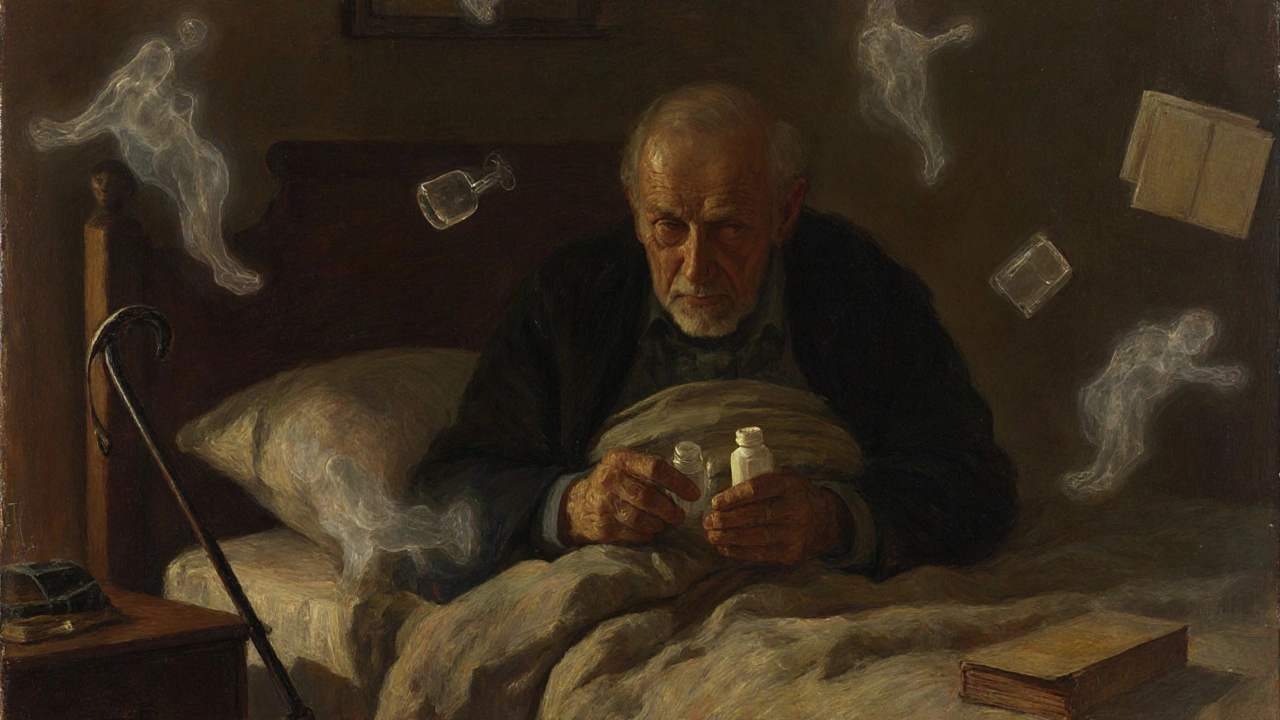
Benzodiazepines in the Elderly: Risks and Safer Alternatives
Benzodiazepines pose serious risks for seniors-including falls, memory loss, and dementia. Safer alternatives like CBT-I, SSRIs, and melatonin agonists offer effective, long-term relief without the dangers. Learn what to do if you or a loved one is still taking these drugs.
Read more