
Phototoxicity: What It Is, How Drugs Cause It, and How to Stay Safe
When you take a medication and then get a bad sunburn—even if you didn’t stay out too long—you might be dealing with phototoxicity, a harmful skin reaction triggered when certain drugs interact with ultraviolet (UV) light. Also known as drug-induced photosensitivity, it’s not an allergy, but a chemical reaction that turns your skin into a target for sun damage. It can happen fast: sometimes within minutes of sun exposure. You might see redness, blistering, or a rash that looks like a severe sunburn, but only on areas exposed to light—your face, neck, arms, or the tops of your feet.
Phototoxicity isn’t rare. It’s linked to common drugs like antibiotics (tetracycline, doxycycline), diuretics (hydrochlorothiazide), NSAIDs (ibuprofen, naproxen), and even some antidepressants and acne treatments like isotretinoin. These drugs absorb UV light and release energy that damages skin cells. The result? Pain, peeling, and sometimes long-lasting dark spots. People on long-term meds are especially at risk, and it doesn’t matter if you’re in Canada, Florida, or just stepping outside for a quick walk. UV rays penetrate clouds and windows. Even a short drive can trigger a reaction if you’re on the wrong medication.
What makes phototoxicity tricky is that it’s often mistaken for a sunburn or allergic rash. You might not connect it to your pills until you notice the pattern: every time you take your blood pressure med and spend time outdoors, your skin reacts. That’s when you need to check your meds. Not all drugs cause this, but many do—and your pharmacist can help you spot the ones on your list. The good news? Once you know what’s causing it, you can take simple steps: wear broad-spectrum sunscreen daily, cover up with hats and long sleeves, and avoid midday sun. Some people even switch to a different medication if the reaction is severe and ongoing.
Phototoxicity doesn’t just affect your skin—it can make you stop taking a drug you need. That’s why understanding it matters. If you’ve ever had a strange sunburn after starting a new pill, you’re not alone. The posts below cover real cases where people discovered this link, how to talk to your doctor about it, what to do if your skin reacts, and which common medications are most likely to cause trouble. You’ll also find advice on how to protect yourself without giving up your treatment. This isn’t about fear. It’s about awareness—and knowing how to act before your skin pays the price.
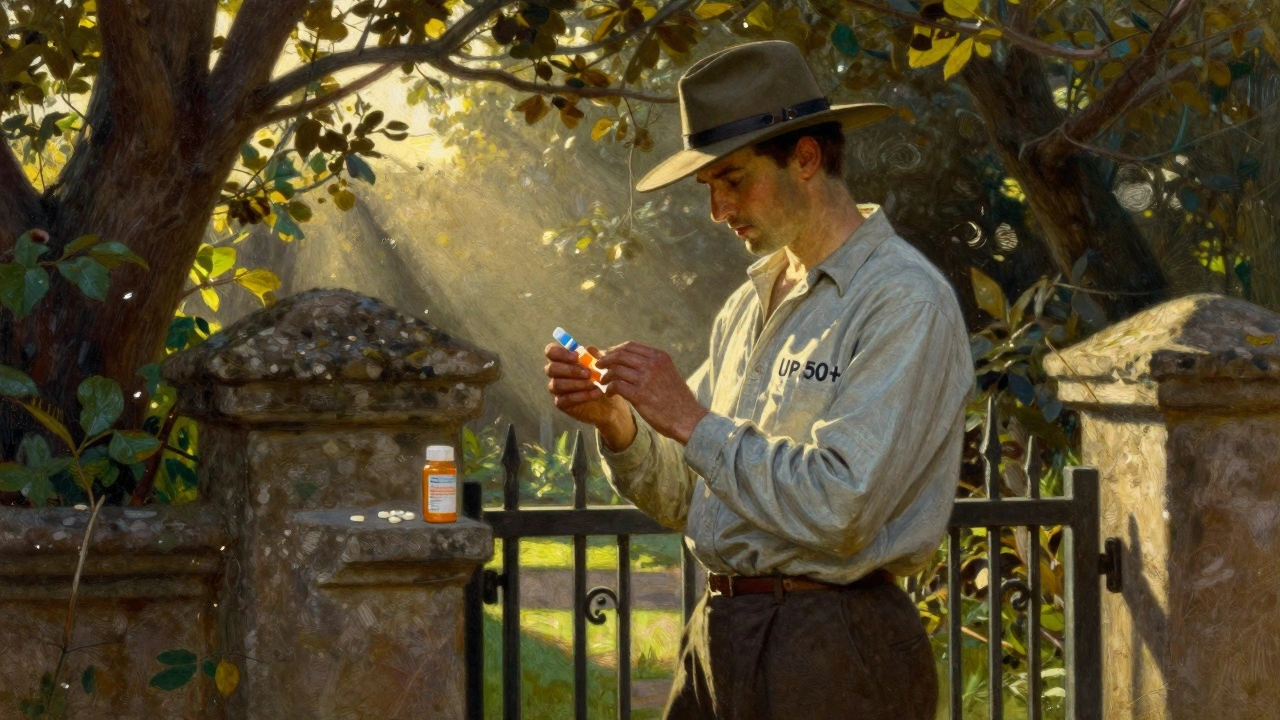
How to Prevent Phototoxicity While Taking Antibiotics: Simple, Proven Steps
Learn how to prevent painful sun reactions while taking antibiotics like doxycycline or ciprofloxacin. Simple, science-backed steps for sun protection, clothing, timing, and more.
Read more