
Expired Medications: What Happens When Your Pills Go Bad
When you find an old bottle of pills in the back of your medicine cabinet, you might wonder: expired medications, drugs that have passed their manufacturer’s labeled expiration date. Are they dangerous? Do they still work? The truth is, most expired medications aren’t toxic—but they often stop working as well as they should. The expiration date isn’t just a marketing trick. It’s the last day the manufacturer guarantees the drug will be at full strength and safe to use under proper storage conditions.
Take antibiotics like amoxicillin or painkillers like ibuprofen. If they’re six months past their date, they probably won’t hurt you. But if you’re treating an infection and the drug has lost 20% of its potency, you could be leaving bacteria alive—and that’s how resistant strains start. The same goes for heart medications like nitroglycerin. If it’s expired, it might not open your arteries fast enough during a heart attack. That’s not a risk you want to take.
storage conditions, how and where you keep your medicines matter more than you think. Heat, humidity, and light break down drugs faster. A bathroom cabinet is one of the worst places to store pills because of steam and temperature swings. A cool, dry drawer or closet is better. Even then, pills can degrade over time. Liquid antibiotics, insulin, and eye drops are especially sensitive. Once they’re expired, toss them. No exceptions.
Some drugs, like epinephrine auto-injectors (EpiPens), can lose effectiveness even before the printed date if exposed to heat. If you’ve had yours in a hot car or left it by the window, don’t wait for the expiration date—replace it. Same with thyroid meds like levothyroxine. Even a small drop in potency can throw your whole hormone balance off.
What about the FDA study that found many drugs stayed potent for years past expiration? That’s true—but it was done in controlled military storage, not your kitchen cabinet. Those results don’t apply to how most people keep their meds. And the FDA doesn’t test every batch after the expiration date. They only guarantee performance up to that point.
drug safety, whether a medication is safe to take after its labeled date isn’t just about the pill itself. It’s about what’s in it. Expired liquid suspensions can grow mold. Tablets can crumble and absorb moisture. Chewables can become sticky and lose their flavor, which makes kids refuse them. Even if the active ingredient is still there, the inactive ingredients can break down and cause irritation.
You don’t need to panic every time you find an old bottle. But you also shouldn’t guess. If it’s a life-saving drug—like an inhaler, EpiPen, or seizure med—replace it on time. If it’s something like a daily vitamin or occasional pain reliever, you might be fine using it a few months past the date. But if you’re sick and it’s not helping, don’t assume it’s the illness. It might be the medicine.
And here’s the thing: throwing out expired meds isn’t just about safety—it’s about avoiding wasted money. You’re not saving anything by using a weak pill. You’re just delaying real treatment. The real cost is in missed diagnoses, worsening conditions, or hospital visits caused by ineffective drugs.
Below, you’ll find real stories and science-backed advice on what to do with old pills, how to spot when they’ve gone bad, and which ones you should never risk using—even if they look fine.
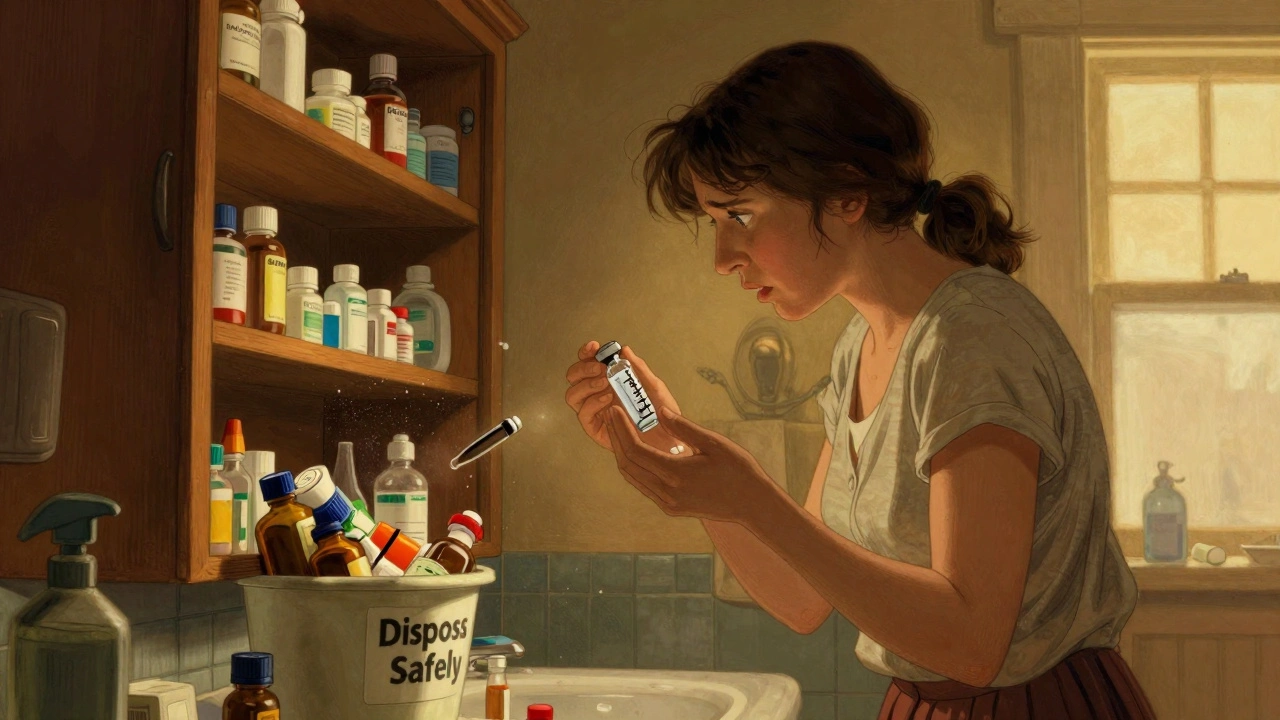
Checking Your Medicine Cabinet for Expired Drugs: A Simple Checklist for Safety
Expired medications can be ineffective or dangerous. Learn how to safely check, dispose of, and store your medicines with this simple twice-yearly checklist to protect your family's health.
Read more