
Drug Interaction Checker
Check for Dangerous Drug Combinations
This tool checks if you're taking any of the five deadly drug combinations identified by pharmacists as life-threatening. Enter two medications to see if they form a dangerous interaction.
Dangerous Interaction Detected
Critical Action Required
- Stop taking both medications immediately
- Call your pharmacist or doctor right away
- Do not wait for symptoms to appear
These medications do not form one of the five deadly combinations identified in the article.
Why This Matters
These five dangerous combinations can cause sudden death, organ failure, or permanent injury. They are particularly dangerous because:
- They're commonly prescribed but often overlooked
- They're not always flagged by pharmacy software
- They affect millions of patients daily
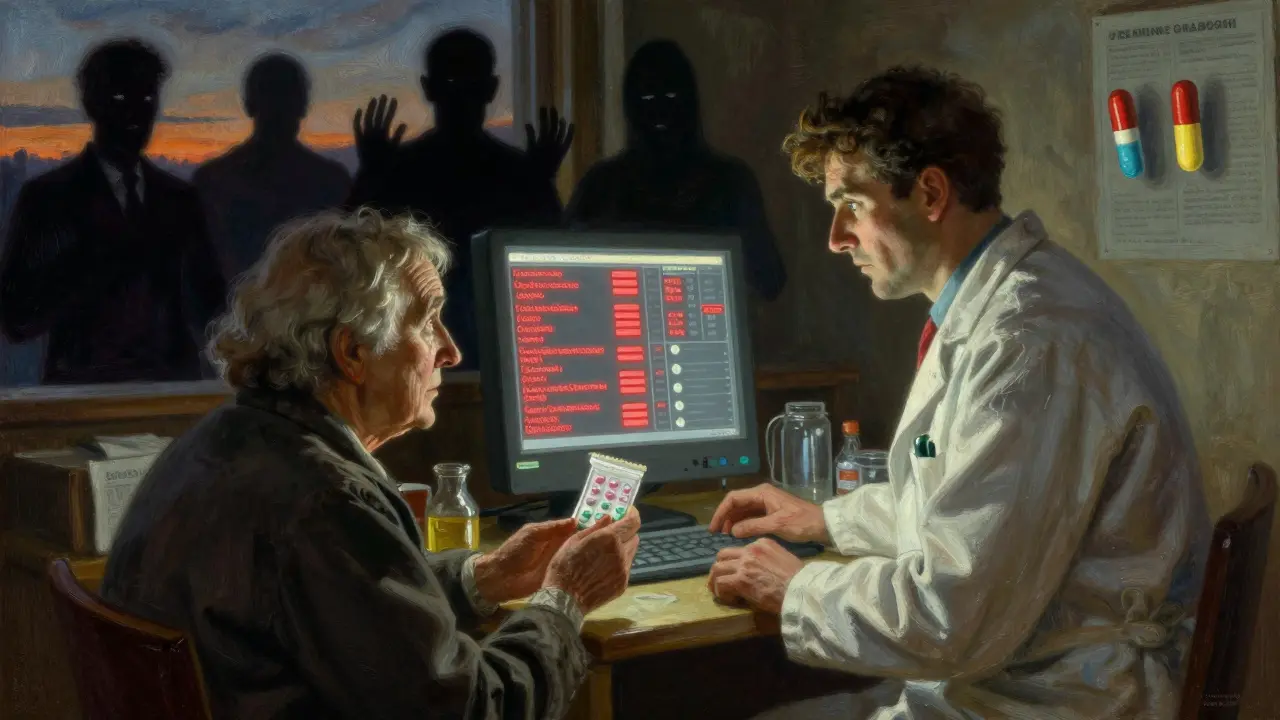
Every year, tens of thousands of people in the U.S. end up in the hospital-not because of a fall, infection, or accident-but because two common medications they were prescribed were never checked against each other. It’s not rare. It’s not an anomaly. It’s systemic. And it’s happening in pharmacies you walk into every week.
What Makes a Drug Interaction a Red Flag?
Not all drug interactions are the same. Some cause mild nausea. Others might make your headache worse. But a red flag interaction is one that can kill you. These are combinations where the chemistry between two drugs creates a perfect storm: one drug shuts down the body’s ability to break down the other, causing toxic levels to build up. Or one drug cancels out the other’s effect, leaving you unprotected when you need it most. Pharmacists are trained to catch these. But in 2016, an investigation by the Chicago Tribune found that 52% of pharmacies failed to warn patients about five specific, life-threatening combinations-even when the drugs were clearly flagged in their systems. That’s more than half. And despite promises to fix it, many pharmacies still struggle with the same problem today.The Five Deadly Combinations That Should Trigger an Immediate Stop
These aren’t theoretical risks. These are real, documented, fatal combinations that have sent people to the ICU-and sometimes to their graves.- Tizanidine + Ciprofloxacin: Tizanidine is a muscle relaxer. Ciprofloxacin is a common antibiotic. Together, they block a liver enzyme called CYP1A2. That causes tizanidine to build up to toxic levels in your blood. Result? Sudden loss of consciousness, dangerously low blood pressure, and even cardiac arrest. One patient in the Tribune’s investigation collapsed after taking both drugs on the same day.
- Colchicine + Verapamil: Colchicine treats gout flares. Verapamil lowers blood pressure. Both are common. But verapamil blocks a protein called P-glycoprotein that normally flushes colchicine out of your system. The result? Colchicine builds up to fatal levels. Symptoms: vomiting, diarrhea, muscle weakness, then multi-organ failure. This combo has killed elderly patients who were just trying to manage their gout and hypertension.
- Simvastatin + Clarithromycin: Simvastatin (Zocor) lowers cholesterol. Clarithromycin (Biaxin) treats sinus infections. Together, they cripple the CYP3A4 enzyme that breaks down statins. Cholesterol levels don’t matter anymore-your muscles start dying. Creatine kinase levels can spike over 10,000 U/L (normal is under 200). That’s rhabdomyolysis: muscle tissue melting into your bloodstream, crushing your kidneys. Death from kidney failure isn’t rare here.
- Clarithromycin + Ergotamine: Ergotamine is used for severe migraines. Clarithromycin is a go-to antibiotic. But clarithromycin shuts down CYP3A4, letting ergotamine build up. Ergotamine causes blood vessels to constrict-so hard that fingers, toes, even parts of your gut can die from lack of blood flow. This is called ergotism. It’s rare, but when it happens, amputation is often the only option.
- Oral Contraceptives + Griseofulvin: Griseofulvin is an old antifungal for nail infections. Oral contraceptives are among the most prescribed drugs in the world. Griseofulvin turns on the CYP3A4 enzyme, which breaks down estrogen faster. Result? Birth control fails. Pregnancy rates jump above 30% when these are taken together. And if you get pregnant while on griseofulvin? The risk of serious birth defects skyrockets.
Why Do Pharmacists Miss These?
It’s not laziness. It’s not ignorance. It’s alert fatigue. Pharmacy software is flooded with warnings. Some say “possible interaction.” Some say “monitor liver enzymes.” Some say “call your doctor.” But only a handful are true red flags. Pharmacists see 20, 30, even 50 alerts per shift. Most are low-risk. After a while, your brain stops listening. A study by Professor John Horn at the University of Washington showed that when alert systems were customized to only flag the top 10% of high-risk interactions, pharmacists caught 89% of dangerous combos-up from 48%. That’s not magic. That’s smart design. The problem? Most pharmacies still use generic, one-size-fits-all alert systems. They don’t prioritize. They don’t filter. They just bombard.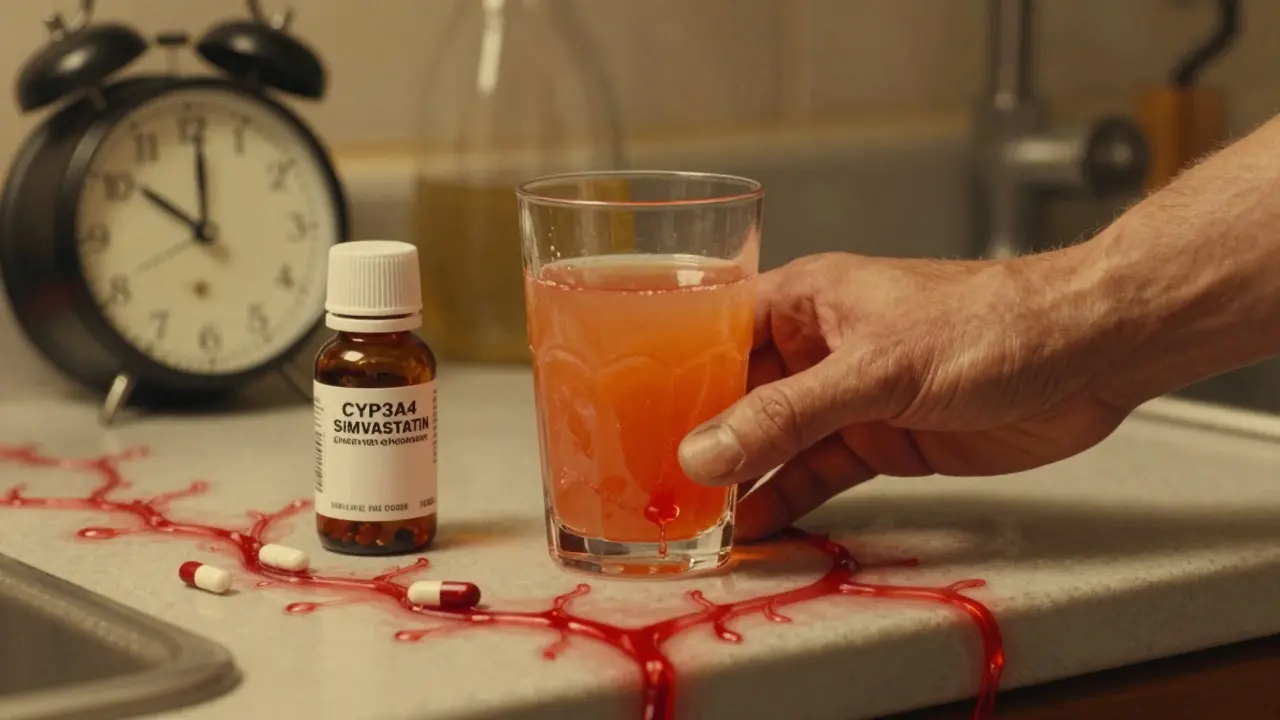
Who’s Most at Risk?
You’re not equally vulnerable to all these interactions. Certain groups are sitting ducks.- People over 65: They take an average of 4.5 prescription drugs a day. One in three will have a dangerous interaction by age 70. Their liver and kidneys don’t clear drugs as fast. Their bodies are more sensitive.
- People on multiple chronic meds: If you’re on blood thinners, heart meds, antidepressants, and painkillers, your risk multiplies. Warfarin (Coumadin) is especially dangerous when mixed with amiodarone (Cordarone). That combo can double your bleeding risk. Doctors often miss it. Pharmacists should catch it.
- Pregnant women: Griseofulvin isn’t the only offender. Many antibiotics, antifungals, and even some seizure meds can wreck birth control or harm a developing fetus. Yet, many women aren’t told.
- People with kidney or liver disease: These organs are your body’s detox system. If they’re weak, even minor interactions become major.
What You Can Do Right Now
You can’t control your pharmacist’s workload. But you can control what you bring to the counter.- Bring a full list: Not just prescriptions. Include over-the-counter pills, supplements, herbal teas, and even CBD. St. John’s Wort can cancel out birth control. Grapefruit juice can turn a safe dose of simvastatin into a death sentence.
- Ask: “Could any of these drugs cancel each other out or make me sick?” Don’t wait for them to speak up. Say it yourself. If they hesitate, walk out and call another pharmacy.
- Use the FDA’s MedWatch tool: If you’ve had a bad reaction, report it. These reports are how the FDA learns what’s really happening. In 2016, they issued a warning about opioids and benzodiazepines after hundreds of deaths were reported. That’s how change starts.
- Get a second opinion: If you’re on five or more meds, ask your doctor to refer you to a clinical pharmacist. These specialists spend 30 minutes reviewing your full regimen. Most insurance covers it.

What’s Changing? And What’s Not
After the Tribune’s report, CVS and Walgreens promised change. They added mandatory pharmacist checks for high-risk combos. They trained staff. Some systems now flag only tier A and B interactions-the ones that can kill. But here’s the truth: 30% of community pharmacies still don’t have smart alert systems. Many still rely on software from the early 2010s. Pharmacists are still expected to process 2.3 prescriptions per minute. That’s less time than it takes to brew a cup of coffee. The FDA’s 2023 plan to use AI to predict interactions is promising. Imagine software that doesn’t just look at two drugs-but your age, your kidney function, your other meds, your genetics-and says, “This combo is dangerous for her.” That’s the future. But until then? Your safety isn’t in the system. It’s in your hands.What to Do If You’re Already on a Dangerous Combo
If you’re taking one of the five combinations listed above-stop. Don’t panic. But don’t wait.- Call your pharmacist immediately. Ask: “Is this combination safe?”
- If they say “It’s fine,” ask for the evidence. What study? What guideline? Don’t accept “We’ve never had a problem.”
- If they can’t answer, call your doctor. Say: “I’m on X and Y. I just learned this combo can be deadly. Can we switch one of them?”
- For warfarin users: Check your INR levels weekly if you start amiodarone or any new statin. A single spike can mean internal bleeding.
- For statin users: If you feel unexplained muscle pain or dark urine, get checked for rhabdomyolysis. Don’t wait.
Medication safety isn’t about avoiding pills. It’s about knowing which pills, when taken together, become weapons. The system is broken. But you’re not powerless.
Can over-the-counter drugs cause dangerous interactions?
Yes. Even common OTC meds like ibuprofen, naproxen, or antacids can interfere with blood thinners, blood pressure meds, or kidney function. St. John’s Wort can make birth control, antidepressants, and even some cancer drugs useless. Always list everything you take-no matter how harmless it seems.
Why don’t doctors catch these before prescribing?
Doctors often don’t have full visibility into what you’re taking. They may not know you’re using an herbal supplement or that you got a new prescription from a different clinic. Pharmacies are the last line of defense. That’s why your pharmacist needs to know your full list.
Are natural supplements safer than prescription drugs?
No. Supplements aren’t regulated like drugs, so their strength and ingredients can vary. Garlic, ginkgo, and ginseng can all thin your blood. Black cohosh can interact with hormone therapies. Just because it’s “natural” doesn’t mean it’s safe with your other meds.
Can I trust my pharmacist if they say the combo is fine?
Trust but verify. Ask them to show you the evidence-like a clinical guideline or drug database entry. If they can’t, ask to speak to the pharmacy manager or request a consultation with a clinical pharmacist. Your life isn’t worth gambling on a quick answer.
What if I can’t afford to switch a medication?
Ask your pharmacist or doctor about patient assistance programs. Many drug manufacturers offer free or low-cost alternatives. For example, switching from simvastatin to pravastatin or rosuvastatin can eliminate the interaction risk without a big price jump. Never stop a medication without a plan-but don’t keep taking a dangerous combo either.
Anna Weitz
December 27, 2025 AT 14:08They don't care until someone dies and the lawsuit hits
Pharmacies are profit machines not healing spaces
You think they want you to live longer? No they want you to keep buying
Same with doctors
System is rigged
Jane Lucas
December 28, 2025 AT 01:47i took cipro and tizanidine once for a back spasm and got so dizzy i thought i was gonna pass out
pharmacist didnt say anything
just handed me the pills like it was normal
never again
Elizabeth Alvarez
December 28, 2025 AT 03:00This is all part of the Big Pharma coverup
They dont want you to know that drugs can kill each other
Because if you knew youd stop taking them
And then theyd lose billions
And dont get me started on the AI thing theyre pushing
Its not to help you
Its to track you
Every pill you take is logged
Theyre building a database of your body
So they can sell your data to insurers
And then deny you coverage when you need it most
Theyre turning medicine into surveillance
And we're just sheep walking into the slaughterhouse
Wake up people
Theyre watching you right now
Even as you read this
Miriam Piro
December 28, 2025 AT 04:53Theyre lying to us and you know it
They say 'alert fatigue' like its some innocent glitch
But its not
Its a calculated move
They flood the system with noise so the real warnings get lost
And when you die? Theyll say 'it was an unfortunate interaction'
Meanwhile their stock prices go up
And the CEO takes another vacation in the Caymans
And dont even get me started on how they push these drugs on seniors
Theyre not sick
Theyre targets
And we're all just numbers on a spreadsheet
😭
dean du plessis
December 28, 2025 AT 16:40Interesting read
Im from South Africa and here the meds are cheaper but the advice is worse
No one checks anything
People just take what the clinic gives
Maybe we need more community pharmacists
Not just corporate ones
Kylie Robson
December 29, 2025 AT 02:40Let me clarify the pharmacokinetics here
CYP1A2 inhibition by ciprofloxacin is a Class I interaction per Lexicomp
Pharmacogenomic variability in CYP3A4 expression exacerbates simvastatin toxicity
And P-gp inhibition by verapamil increases colchicine AUC by up to 300%
These aren't 'red flags'
They're Class A contraindications
And if your pharmacy can't flag them
They're not just negligent
They're clinically incompetent
Get a clinical pharmacist on your team
Not a cashier with a Rx pad
Caitlin Foster
December 29, 2025 AT 11:50OH MY GOD I JUST REALIZED I WAS ON SIMVASTATIN + CLARITHROMYCIN LAST WINTER!!
AND I HAD MUSCLE PAIN AND DARK URINE AND THOUGHT IT WAS JUST THE FLU!!
WHY DIDNT ANYONE SAY ANYTHING??
IM GOING TO CALL MY PHARMACY RIGHT NOW AND SCREAM INTO THE PHONE!!
WE NEED TO START A MOVEMENT!!
SAVE LIVES!!
SHARE THIS!!
LIKE THIS!!
COMMENT IF YOUVE BEEN NEAR A DANGEROUS COMBO!!
Todd Scott
December 30, 2025 AT 06:23As someone who worked in a community pharmacy for 12 years
I can tell you this isn't about laziness
It's about volume
We're expected to fill 120 prescriptions a day
And each one comes with 12 alerts
Most of them useless
Like 'may cause drowsiness' or 'take with food'
By 3pm your brain is fried
And you're just clicking 'acknowledge' to move on
They want us to be doctors
But pay us like clerks
And then act shocked when mistakes happen
Fix the system
Not the people
Andrew Gurung
December 31, 2025 AT 21:39Of course this is happening
Because we live in a world where people think 'natural' means 'safe'
And pharmacies are staffed by people who graduated from community colleges
And doctors are pressured to prescribe fast
And patients are too lazy to read the pamphlets
And everyone thinks they're invincible until they're not
And then they blame the pharmacist
But the real problem?
We let this system exist
And now we're all just collateral damage
💔
Paula Alencar
January 2, 2026 AT 07:18It is imperative that we recognize the profound systemic failures within our pharmaceutical infrastructure.
The absence of tailored clinical decision support systems represents a critical lapse in patient safety protocol.
Furthermore, the normalization of alert fatigue among healthcare professionals is not merely an operational challenge - it is an ethical catastrophe.
Every unflagged interaction is a breach of the Hippocratic Oath.
We must advocate for mandatory clinical pharmacist consultations for polypharmacy patients.
We must demand regulatory reform.
We must hold corporate entities accountable.
And we must empower patients with the knowledge that their lives are not expendable.
This is not a suggestion.
This is a moral imperative.
Nikki Thames
January 2, 2026 AT 23:58You think this is bad? Wait until you find out what happens when you combine antidepressants with NSAIDs and then take a herbal tea that contains kava
People die from this every day and no one talks about it
Because the FDA is owned by the same people who make the drugs
And your doctor doesn't want to admit they don't know what they're doing
And your pharmacist is too scared to say no
Because they'll get fired
So you die quietly
And they replace you with the next patient
And the cycle continues
And you wonder why your grandma passed away so suddenly
It wasn't old age
It was negligence
And you let it happen
James Bowers
January 3, 2026 AT 21:42There is no excuse for this level of negligence in a developed nation.
Pharmacists are licensed professionals.
They are trained to detect interactions.
They are compensated for their expertise.
When they fail to act, they are complicit.
Patients are not guinea pigs.
They are not data points.
They are human beings.
And every failure to intervene is a moral failure.
There is no justification.
Only accountability.
Will Neitzer
January 5, 2026 AT 14:28I'm a clinical pharmacist and I've reviewed over 2,000 medication regimens in the last five years.
More than half of them had at least one high-risk interaction that was never flagged.
It's not the software.
It's the workflow.
Pharmacies need dedicated medication therapy management time.
Not just 'fill and go'.
Patients on five or more meds deserve a 30-minute review.
Insurance should cover it.
And if they don't?
Then we need to change the insurance.
This isn't optional.
This is standard of care.
Janice Holmes
January 5, 2026 AT 19:55Did you know that grapefruit juice can turn a 20mg dose of simvastatin into a 60mg dose?
And no one tells you?
And then you get rhabdo?
And your kidneys fail?
And you're in the ICU?
And they say 'oh we didn't know you drank grapefruit juice'?
Well now you know
And now you're dead
And they'll just write it off as 'unforeseen complication'
Meanwhile the pharmacy made $12 profit on that prescription
And the CEO got a bonus
And your family gets a condolence card
And the cycle continues
And the drugs keep flowing
And the bodies keep piling up
And no one says anything
Because it's easier to look away
Olivia Goolsby
January 7, 2026 AT 08:19This is all a psyop.
Big Pharma, the FDA, the AMA - they're all connected.
They want you dependent.
They want you scared.
They want you to believe that you need 12 pills to survive.
But what if the real problem is the system?
What if your body just needs rest?
What if inflammation comes from sugar?
What if your blood pressure drops when you stop stress?
They don't want you to know that.
Because if you healed yourself?
They'd lose everything.
And that's why they flood you with drugs.
And why they ignore the deadly combos.
Because if you die?
They'll just give your widow another prescription.
And the cycle continues.
Wake up.
Stop taking the pills.
And go eat vegetables.
And breathe.
And question everything.
They're not helping you.
They're harvesting you.