

Signal Confirmation Calculator
Historical data shows approximately 1 in 6 side effect reports (16.7%) become confirmed safety risks. This tool estimates how many reports lead to actionable signals based on real-world pharmacovigilance data.
When a new medication hits the market, it’s easy to assume that all the risks are already known. Clinical trials test the drug on thousands of people - but that’s not nearly enough to catch every possible side effect. Real people, with real health conditions, taking other medications, living different lifestyles - that’s where the real picture emerges. This is where post-marketing pharmacovigilance comes in. It’s not a backup plan. It’s the essential system that finds the dangers clinical trials missed.
Why Clinical Trials Aren’t Enough
Clinical trials are tightly controlled. Participants are carefully selected. They’re healthy enough to join. They’re monitored closely. They take the drug exactly as instructed. And even the largest trials rarely include more than 5,000 people. That sounds like a lot - until you realize that once a drug is approved, millions of people will take it. Some will be over 80. Some will have kidney disease. Some will be taking five other pills. Some will skip doses. Some will mix it with alcohol. None of that shows up in a trial. The result? Dangerous side effects can slip through. The most famous example is Vioxx, a painkiller approved in 1999. The trials showed it worked well. But after 80 million people took it, it became clear that it doubled the risk of heart attacks. The drug was pulled in 2004. That’s not a failure of science - it’s proof that real-world use is the only true test.How Side Effects Are Caught After Approval
There’s no single magic tool. Post-marketing pharmacovigilance uses a mix of systems, all working together to spot patterns that shouldn’t be there. One of the oldest and most widespread methods is spontaneous reporting. Doctors, pharmacists, nurses, and even patients can report unexpected side effects. In the U.S., that’s the FDA’s MedWatch system. In the UK, it’s the Yellow Card Scheme. In Europe, it’s EudraVigilance. These systems collect millions of reports every year. The FDA alone gets over 1.2 million reports annually. But here’s the catch: experts estimate only 1% to 10% of actual side effects are ever reported. Most people don’t know how, or think it’s not their job. Then there’s active surveillance. This is where systems like the FDA’s Sentinel Initiative come in. Instead of waiting for reports, they actively mine electronic health records from hundreds of millions of patients. They look for patterns: if a drug is suddenly linked to more hospital visits for liver damage, or more cases of dizziness in older adults, the system flags it. Sentinel now tracks data from over 300 million people - more than the entire population of the United States. In the UK, the Clinical Practice Research Datalink links prescription data with hospital records and death certificates. If a new diabetes drug is linked to a spike in amputations in a specific region, they’ll find it. In Japan, every new drug must go through 4 to 10 years of mandatory post-marketing review. That’s not optional. It’s law.What Happens When a Signal Is Found
Finding a pattern is just the start. The real work begins when regulators and drug companies dig deeper. Is this a real risk? Or just a coincidence? Maybe patients who had heart problems were already at risk. Maybe they were taking another drug. Maybe the data is messy. That’s where signal detection algorithms come in. The EMA’s EudraVigilance system runs these every quarter. In 2022, it flagged 1,843 potential safety issues. Of those, 287 were confirmed as real risks. That means nearly one in six signals turned out to be something that needed action. When a real risk is confirmed, regulators don’t just sit on it. They act. They might update the drug label to warn doctors and patients. They might require a Risk Management Plan - a set of rules to reduce harm. For drugs like thalidomide, that means only specialists can prescribe it, patients must sign forms acknowledging the risks, and women of childbearing age must use two forms of birth control. For some drugs, like carbamazepine, genetic testing is now required before prescribing - because a specific gene variant makes certain populations far more likely to develop a deadly skin reaction. Screening for that gene cut the risk by 95% in Southeast Asia. Sometimes, the only safe option is to remove the drug from the market. That’s rare, but it happens. And it’s why this system exists.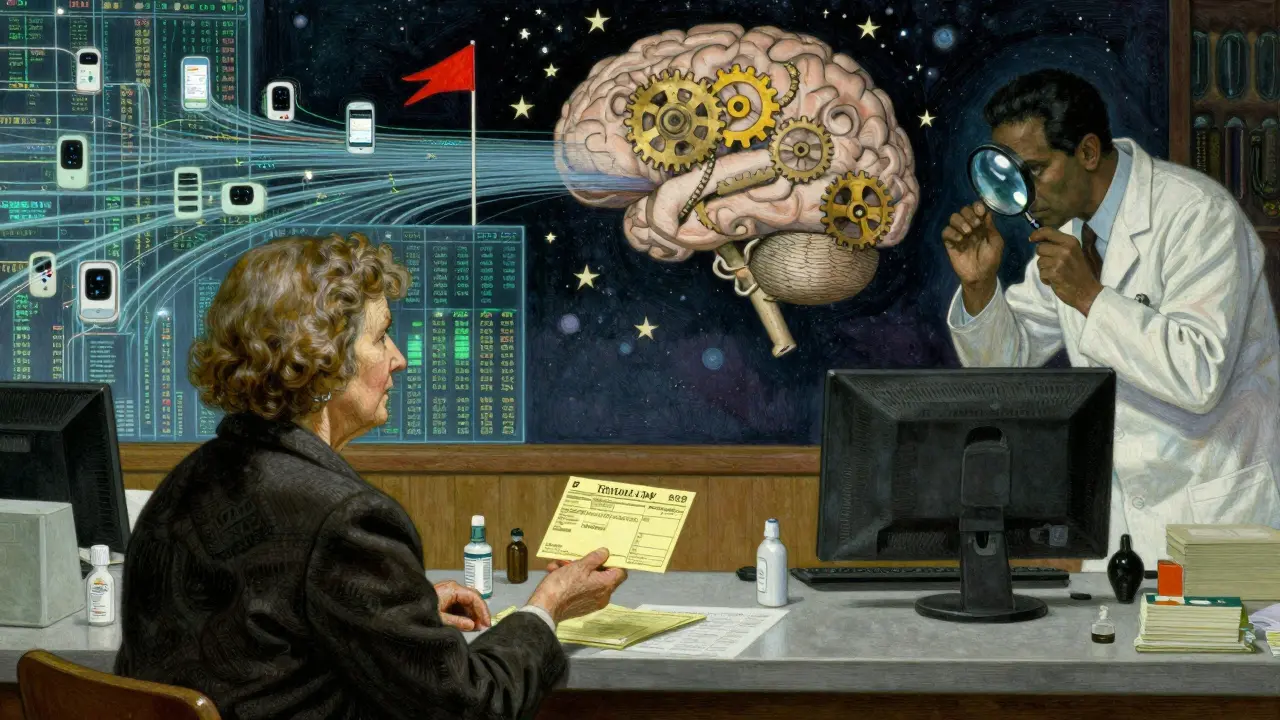
Who’s Reporting - And Who’s Not
The system only works if people report. But here’s the problem: most don’t. A 2022 survey found that 68% of U.S. doctors find the MedWatch reporting form too long and complicated. It takes an average of 22 minutes to fill out. Many skip it. Pharmacists in the UK say they’re unsure what counts as reportable. Patients? Only 12% even know MedWatch exists. Yet, when asked, 83% said they’d report side effects if it was easier. That’s why the system is changing. Mobile apps are being rolled out. Simple online forms. Text-based reporting. In Australia, the Therapeutic Goods Administration has started piloting patient-reported side effect tools directly through My Health Record. The goal? Make reporting as easy as leaving a Google review.The Business and the Bureaucracy
Post-marketing pharmacovigilance isn’t free. It’s a $3.2 billion global industry. Big pharmaceutical companies have teams of doctors, data scientists, and regulatory experts just to manage this. Smaller biotech firms? They often struggle. One study found top 10 drug companies have nearly 60 staff dedicated to pharmacovigilance. Smaller ones average just over three. Regulators are pushing harder too. The EMA now requires all new drugs to generate real-world evidence. The FDA is using AI to scan social media for mentions of side effects. IBM Watson Health’s system can predict adverse reactions from Twitter posts with 87% accuracy. Apple and Pfizer are testing wearables that monitor for irregular heart rhythms in patients taking new heart drugs. But progress is uneven. In Africa, only 38 countries have functional pharmacovigilance systems - for 54 nations. Reporting rates there are 900 times lower than in Europe. That’s not just a gap. It’s a danger.
The Future: Faster, Smarter, More Inclusive
The future of drug safety is being built right now. By 2025, the EU will replace 27 separate national databases with one single system. The FDA’s new AI-powered Sentinel 3.0 analyzes 5 million new patient records every day. Blockchain is being tested to securely share data between countries. And by 2030, regulators expect real-world evidence from pharmacovigilance to influence 65% of all drug decisions - up from less than 30% today. The goal isn’t perfection. It’s progress. No drug is ever 100% safe. But we can make them safer - by listening to the millions of people who take them, by using data we never had before, and by making it easier for everyone to speak up when something feels wrong.What You Can Do
You don’t need to be a doctor to help. If you notice a new symptom after starting a medication - especially if it’s unusual or severe - report it. You don’t need to be certain. You don’t need to know the science. Just report it. Your report could be the one that saves someone else’s life. In Australia, you can report to the TGA using their online form or mobile app. In the U.S., go to MedWatch. In the UK, use the Yellow Card. If you’re unsure where to start, ask your pharmacist. They’re trained to help. This isn’t about blaming anyone. It’s about building a safety net - one report at a time.What’s the difference between clinical trials and post-marketing pharmacovigilance?
Clinical trials test drugs on a few thousand carefully selected people under strict conditions before approval. Post-marketing pharmacovigilance watches what happens after millions of real people start using the drug in everyday life - with other illnesses, medications, and habits. That’s where hidden side effects show up.
Can patients report side effects themselves?
Yes. Patients can and should report side effects. In the U.S., you can use the FDA’s MedWatch portal. In the UK, the Yellow Card Scheme accepts patient reports. In Australia, the TGA allows direct reporting through their website or app. You don’t need medical training - just your experience and a description of what happened.
Why do so many side effects go unreported?
Many people don’t know reporting systems exist. Others think it’s not their responsibility. Doctors and pharmacists often say the forms are too long or time-consuming. Some worry they’ll be wrong. But even a single report can be the first clue in spotting a dangerous pattern. Every unreported side effect is a missed chance to protect others.
How do regulators know if a side effect is real or just a coincidence?
They use statistical tools and data from millions of patients. If a side effect appears far more often in people taking a specific drug than in the general population, it’s flagged as a “signal.” Experts then review medical records, check for other causes, and compare data across countries. Only after multiple lines of evidence confirm a link does it become a confirmed risk.
Are newer drugs riskier than older ones?
Not necessarily. Newer drugs are tested more rigorously today. But because they’re used by far more people, and for longer periods, rare side effects have more time and opportunity to show up. Older drugs have been watched for decades - so most of their major risks are already known. That doesn’t mean they’re safer - just that we’ve learned what to watch for.
What’s being done to improve post-marketing surveillance?
Regulators are using AI to scan electronic health records and social media for mentions of side effects. Wearables are being tested to detect heart rhythm changes automatically. Mobile reporting apps are making it easier for patients. The EU is merging all its national systems into one database. And by 2030, real-world data from pharmacovigilance is expected to shape 65% of drug safety decisions.
Josh Potter
December 17, 2025 AT 10:24Bro this is wild. I took that one anxiety med last year and my skin turned orange. No one believed me until my cousin had the same thing. Now I’m just waiting for the lawsuit.
Jane Wei
December 19, 2025 AT 07:45My grandma’s on five meds and still forgets to take them. If she had a simple app to report weird side effects, she’d use it. Why is it so hard?
Radhika M
December 19, 2025 AT 08:30In India, many people just stop taking meds if they feel odd. No one reports. No one even knows they can. This system needs to be simple, not fancy.
Pawan Chaudhary
December 20, 2025 AT 22:21Love this! Every person who takes a pill is part of the safety team now. Small reports add up to big changes. Keep speaking up!
Salome Perez
December 22, 2025 AT 07:13It’s fascinating how the FDA’s Sentinel Initiative is essentially a real-time, population-scale clinical trial - except without the placebo group, the IRB oversight, or the ethical constraints. The data is gold, but the methodology? Barely peer-reviewed. We’re running a pharmacovigilance experiment on 300 million humans, and calling it science.
And yet, somehow, it works. The system is a Rube Goldberg machine of bureaucratic spaghetti and AI spaghetti, held together by duct tape and hope. But when it catches a signal - like the thalidomide gene link - it’s nothing short of miraculous.
Still, I wonder: if this is so powerful, why are we still relying on doctors who hate filling out 22-minute forms? Why not auto-populate reports from EHRs? Why not integrate with Fitbits and Apple Watches? The tech exists. The will? Not so much.
And let’s not pretend this is altruistic. Pharma spends billions on this because lawsuits cost more. The ‘safety net’ is really a liability shield with a nice PR campaign.
But hey - if your grandma lives longer because someone reported dizziness after a new statin? Then maybe it’s worth the mess.
Still. The fact that 83% of patients would report if it were easier… and yet we make it harder than filing taxes? That’s not negligence. That’s a choice.
And I’m not mad. I’m just… disappointed. In us.
Steven Lavoie
December 24, 2025 AT 00:25I work in a rural clinic. We have patients on 8+ medications. Some don’t speak English. Some can’t read. We don’t have time to file MedWatch forms. But if we had a 30-second voice-to-text option on a tablet, they’d report everything - the dizziness, the weird taste, the nightmares. The system is broken because it assumes everyone has time, access, and literacy. It doesn’t.
Kaylee Esdale
December 25, 2025 AT 16:31My cousin took a new antidepressant and started sleepwalking. She didn’t tell her doctor because she thought it was ‘just stress.’ Two weeks later, she fell down the stairs. Turns out it’s a known side effect - but only in people over 65. She’s 52. The label didn’t say. No one knew. If she’d reported it, maybe the warning would’ve come sooner.
It’s not about blame. It’s about making it easy to say: ‘This doesn’t feel right.’
CAROL MUTISO
December 27, 2025 AT 11:50Oh wow. So we’re trusting AI to scan Twitter for side effects now? That’s brilliant. Next they’ll use TikTok dances to predict liver failure. Honestly, if IBM Watson can detect a rash from a blurry selfie and a caption like ‘why do i feel like dying??’ then I’m all in. But let’s be real - half the posts are people saying ‘this pill made me gay’ or ‘my cat started talking.’
And yet… somehow, it works. The system is chaos. But chaos has a weird way of catching things the labs missed.
Still. The fact that we need a machine to read sarcasm and typos to save lives? That’s not progress. That’s a cry for help.
Jonathan Morris
December 28, 2025 AT 05:04Let’s be honest - this whole system is a cover-up. The FDA approves drugs based on data that’s been cooked. Then they pretend the ‘real-world’ reports are the safety net. But the same companies that funded the trials also fund the pharmacovigilance systems. Who’s auditing them? Who’s checking the algorithms? It’s all a loop. Vioxx wasn’t pulled because of safety - it was pulled because the lawsuits were piling up. Same with OxyContin. Same with every drug.
They don’t want to know the truth. They want to look like they care.
Philippa Skiadopoulou
December 29, 2025 AT 14:18Reporting systems in the UK remain underutilised due to fragmented awareness. The Yellow Card scheme is functional but not intuitive. Patients assume reporting is the doctor’s responsibility. Pharmacists, under time pressure, rarely initiate it. A unified national campaign - simple, visual, repeated - could dramatically increase uptake. The infrastructure exists. The will does not.
Victoria Rogers
December 31, 2025 AT 12:26Why do we even care? Big Pharma makes billions. Doctors get bonuses for prescribing. Patients get hooked. The ‘side effects’ are just collateral damage. If you’re old or poor, you’re just supposed to suffer quietly. This whole thing is a scam to make you feel safe while they keep selling.
Martin Spedding
January 2, 2026 AT 12:14AI scanning tweets? LOL. My cousin posted ‘this med made me cry for no reason’ and got flagged as a ‘signal.’ Turned out she was going through a breakup. The system cried too. We’re all doomed.
Erik J
January 3, 2026 AT 01:42Is there any data on how many false positives are ignored because they’re too noisy? Or how many real signals get buried because the algorithm prioritizes volume over nuance? I’m curious how often the system misses something because the pattern is too subtle - or too rare.
Naomi Lopez
January 3, 2026 AT 07:40It’s cute how they call it ‘listening to patients.’ Meanwhile, the forms are longer than my last breakup letter. And the only people who report are the ones who already hate the system. The rest? They just stop taking the pill and Google ‘is this normal’ at 3 a.m.
Meghan O'Shaughnessy
January 5, 2026 AT 00:07My mom took a new blood pressure med. Got dizzy. Thought it was aging. Didn’t report. Two months later, she fell and broke her hip. Turns out dizziness was a known side effect - but only in women over 70 with low sodium. The label didn’t say that. No one knew. We’re all just guessing. And someone’s always paying the price.