

Key Safety Takeaways
- Combining these drugs significantly increases the risk of extreme sedation, coma, and death.
- The risk of fatal overdose is up to 10 times higher than taking opioids alone.
- Respiratory failure can happen even at doses that are normally safe when taken separately.
- Tolerance to opioids does not mean you are tolerant to the respiratory effects of benzodiazepines.
- Always consult a doctor before combining these medications or changing your dose.
Why the Combination is Dangerous
To understand the risk, we have to look at how these drugs work in the brain. Opioids is a class of drugs used for pain relief that act on mu-opioid receptors in the brainstem's respiratory centers. When these receptors are activated, your drive to breathe decreases. At the same time, Benzodiazepines is a group of sedative medications, like alprazolam or lorazepam, that enhance GABA-A receptor activity to reduce anxiety and induce sleep. While benzodiazepines on their own are less likely to stop your breathing, they act as a catalyst when opioids are present. When used together, they create a "perfect storm." Not only do they both suppress the central nervous system, but they also relax the muscles in the upper airway. This can lead to obstructive apneas-basically, your throat closes up while your brain forgets to tell your lungs to take a breath.The Hidden Chemistry: Metabolic Interference
It isn't just about how the drugs affect your brain; it's also about how your liver processes them. Some opioids, such as Fentanyl, Methadone, and Oxycodone, are broken down by an enzyme called CYP3A4. Certain benzodiazepines, like alprazolam, can inhibit this enzyme. When the enzyme is blocked, the opioid stays in your bloodstream much longer and at higher concentrations than intended. You aren't just taking the dose your doctor prescribed; your body is reacting as if you took a much larger amount because it can't clear the drug out of your system.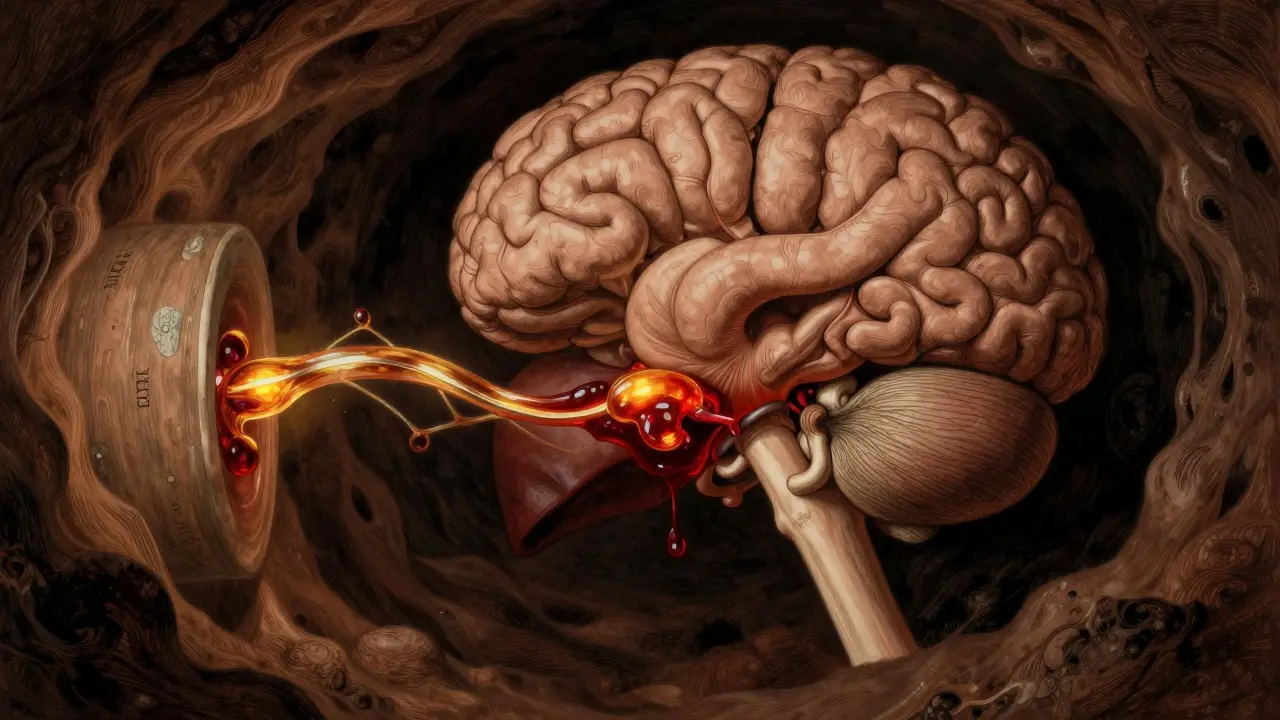
Real-World Risks and Statistics
The numbers coming from health organizations are sobering. The FDA (U.S. Food and Drug Administration) issued a Boxed Warning for this combination because the data is so clear. In the U.S., roughly 16% of opioid-related overdose deaths in 2020 involved benzodiazepines. One of the most frightening aspects is that this danger doesn't just apply to people struggling with addiction. Many patients receiving long-term pain management are co-prescribed these medications without realizing the risk. In fact, the risk of dying from an overdose is three to eight times higher when these two drug classes are combined compared to using opioids alone. For some high-risk groups, that risk jumps to 10 times higher.| Feature | Opioids Alone | Benzodiazepines Alone | Combined Use |
|---|---|---|---|
| Respiratory Drive | Decreased | Mildly Decreased | Severely Suppressed |
| Airway Patency | Generally Stable | Slightly Relaxed | High Risk of Obstruction |
| Sedation Level | Moderate | Moderate/High | Extreme / Comatose |
| Overdose Risk | Baseline | Low (on its own) | 10x Higher |
Warning Signs: How to Spot an Interaction
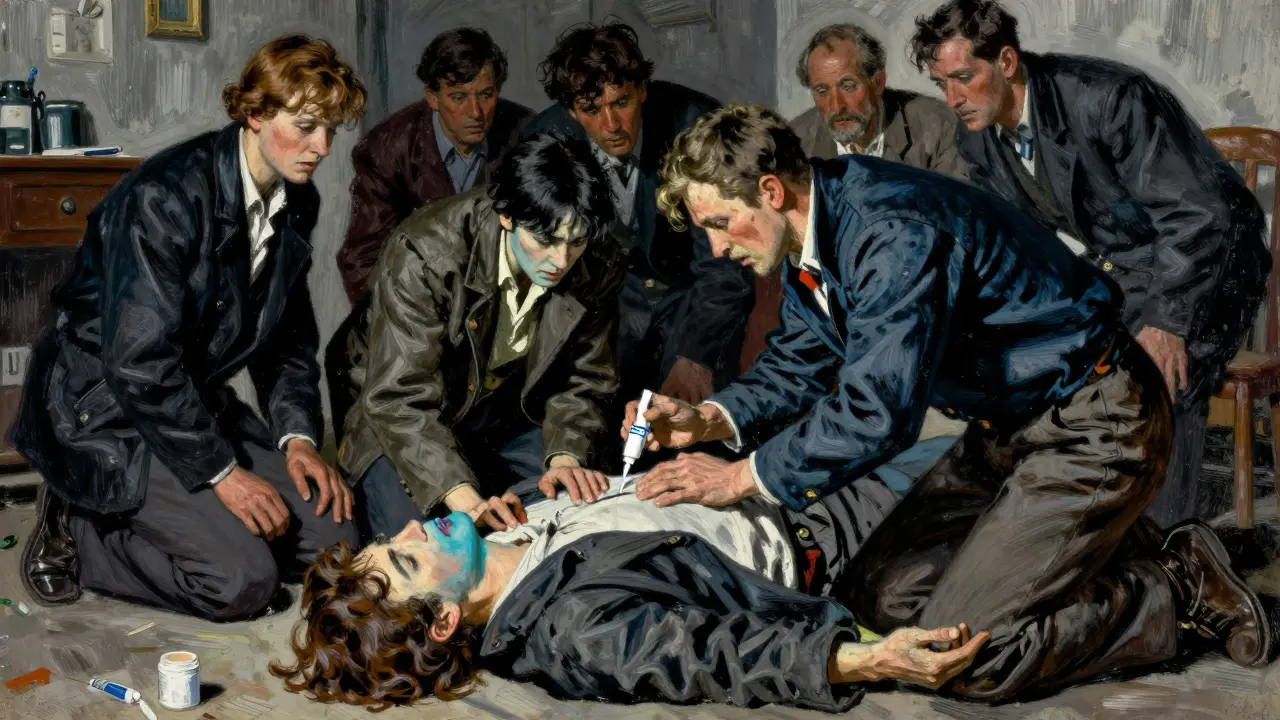
If you or a loved one are taking both medications, you need to know the red flags. Because these drugs cause extreme sedation, the signs of an overdose can be mistaken for someone just being "deeply asleep." Watch for these specific symptoms:- Extreme drowsiness or inability to wake up.
- Slow, shallow, or irregular breathing.
- Slurred speech and profound confusion.
- Bluish tint to the lips or fingernails (cyanosis).
- Dizziness and a lack of coordination that leads to falls.
Safe Management and Medical Guidance
Despite the risks, there are rare cases-such as in hospice care for terminally ill patients-where the benefits of these medications may outweigh the risks. In these scenarios, strict medical protocols are required. If a doctor determines that both medications are absolutely necessary, they typically follow these safety steps:- Lowering the Starting Dose: Prescribing a significantly lower initial dose of the benzodiazepine than would be used if the patient weren't on opioids.
- Slow Titration: Increasing the dose very slowly based on the patient's actual clinical response rather than a standard chart.
- Constant Monitoring: Keeping a close eye on respiratory rates and levels of sedation.
- Emergency Readiness: Ensuring that equipment to maintain a patent airway (like oxygen or ventilation tools) is immediately available.
The Danger of Sudden Stoppage
While the risks of taking these drugs together are high, you should never stop taking them abruptly on your own. Both opioids and benzodiazepines cause physical dependence. Stopping opioids suddenly can lead to a brutal withdrawal process that feels like a severe flu, including chills, nausea, and intense anxiety. Even more dangerous is benzodiazepine withdrawal, which can trigger life-threatening seizures. Any change in medication must be done through a gradual tapering process managed by a healthcare provider to keep the brain and body stable.Can I take a low dose of a benzo with my pain medication?
Even low doses can be risky because the interaction is synergistic, meaning they amplify each other. You should only do this if your doctor has specifically cleared the combination and adjusted your dosages to mitigate the risk of respiratory depression.
What should I do if I think someone is overdosing on this combination?
Call emergency services immediately. If available, administer naloxone (Narcan). While naloxone only reverses the opioid part of the overdose, it can be enough to restart breathing and save a life while waiting for paramedics.
Does alcohol make this combination more dangerous?
Yes, significantly. Alcohol is also a central nervous system depressant. Adding it to opioids and benzodiazepines further suppresses your breathing and increases the likelihood of coma or death.
Why is this combination specifically dangerous for older adults?
The American Geriatrics Society (via the Beers Criteria) warns against this because older adults are more sensitive to sedation. This increases the risk of severe falls, hip fractures, and acute respiratory failure.
Can a doctor replace these with safer alternatives?
Yes. Depending on the goal, doctors may suggest non-opioid analgesics, non-benzodiazepine sleep aids, or cognitive behavioral therapy for anxiety to reduce the need for these high-risk sedatives.