
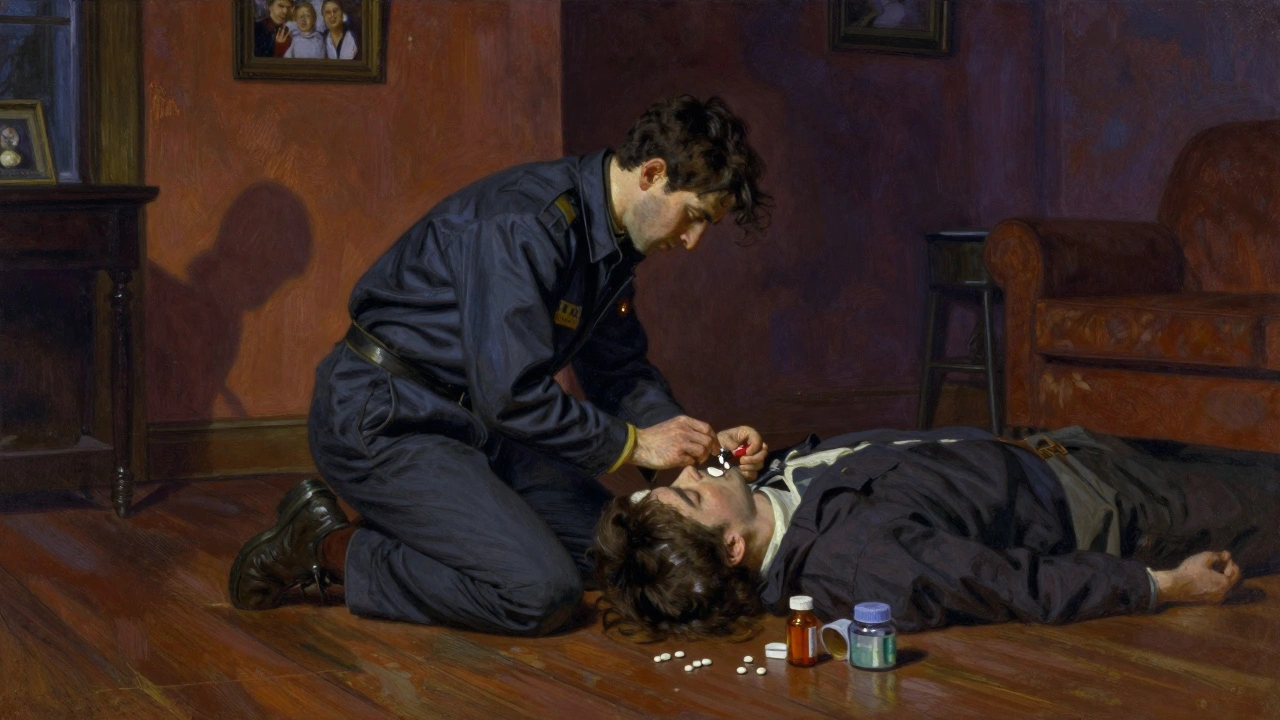
When someone overdoses on multiple drugs, it’s not just one poison in the system-it’s a dangerous mix that can turn a treatable situation into a fatal one. Think of it like a car with three broken systems: brakes, steering, and engine all failing at once. You can’t fix one and assume the rest will be okay. That’s the reality of a multiple drug overdose, where substances like opioids, acetaminophen, and benzodiazepines interact in unpredictable, life-threatening ways.
Why Multiple Drug Overdoses Are So Dangerous
Most people assume an overdose means one drug gone wrong. But in reality, nearly half of all fatal overdoses in the U.S. involve two or more substances. The most common combo? Opioids mixed with acetaminophen (like in Vicodin or Percocet) or benzodiazepines (like Xanax or Valium). These aren’t random accidents-they’re often prescribed together, misunderstood, or taken intentionally to amplify effects.
Acetaminophen alone can cause acute liver failure. Opioids can shut down breathing. Benzodiazepines can deepen sedation. When they’re combined, the risks multiply. For example, naloxone can reverse an opioid overdose, but if acetaminophen is also in the system, the liver damage keeps progressing even after breathing returns. And if flumazenil is given to reverse a benzodiazepine, it can trigger seizures in someone who’s physically dependent-making the situation worse.
According to the 2023 JAMA Network Open consensus statement, over 56,000 emergency visits in the U.S. each year are due to acetaminophen overdose alone. Meanwhile, opioids caused 120,000 global deaths in 2019. The real danger isn’t just the drugs-it’s how they interact.
First Responders: What to Do in the First Minutes
If you’re the first person on the scene, time is everything. The SAMHSA Five Essential Steps for First Responders aren’t just guidelines-they’re survival steps.
- Assess the situation: Is the person unresponsive? Are they breathing shallowly or not at all? Look for signs like blue lips, pinpoint pupils, or empty pill bottles nearby.
- Call emergency services: Don’t wait. Even if you give naloxone, they still need a hospital.
- Administer naloxone: If opioids are suspected-give it. Even if you’re not sure. Naloxone won’t harm someone who doesn’t have opioids in their system. For fentanyl overdoses, you may need two or three doses. Don’t stop after one.
- Support breathing: If they’re not breathing, start rescue breathing immediately. Naloxone can take 2-3 minutes to kick in. Don’t wait. Every minute without oxygen increases brain damage risk.
- Monitor response: Even if they wake up, they’re not out of danger. Naloxone wears off in 30-90 minutes. Opioids like fentanyl or methadone can stay in the body for hours. They can slip back into respiratory arrest.
Remember: Rescue breathing alone can save a life-even before naloxone arrives. Many people don’t realize this. But if you’re keeping oxygen flowing, you’re buying critical time.
Hospital Protocol: Treating the Mix, Not Just the Symptoms
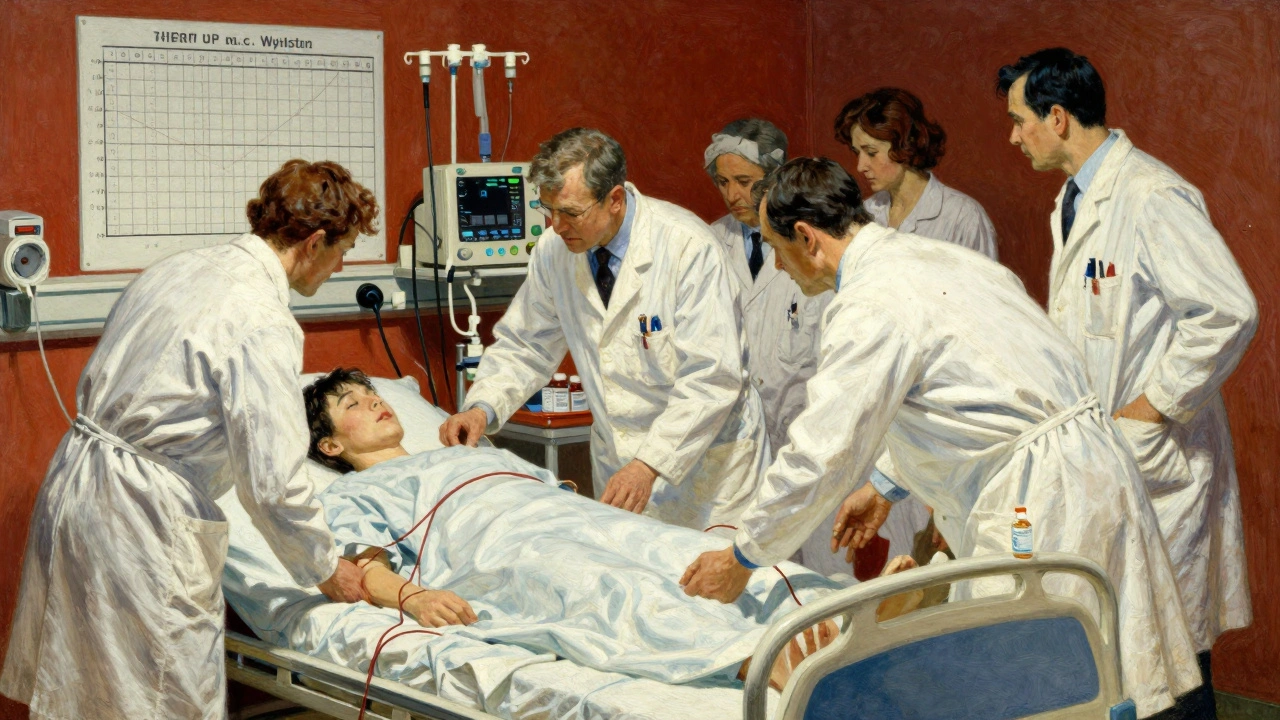
Once in the ER, the approach changes. It’s not about treating one drug-it’s about managing a cascade of toxic effects.
For acetaminophen overdose, doctors use the Rumack-Matthew nomogram to determine if acetylcysteine is needed. But the 2023 update changed the rules: now, “acute ingestion” includes cases where the person took multiple doses over 24 hours-not just one big pill. If acetaminophen levels are above 20 μg/mL or liver enzymes are rising, acetylcysteine starts immediately. For people over 100 kg, dosing is capped at 100 kg to avoid overdose of the antidote itself.
Activated charcoal may be given if the overdose happened within the last 4 hours. But it’s not a magic bullet. It doesn’t work on all drugs, and it can interfere with other medications. Patients need to drink water afterward to prevent constipation-and if they’re on birth control, they’ll need backup contraception for a week, since charcoal can reduce its effectiveness.
For opioid overdose, naloxone is given IV or IM. But here’s the catch: if the person took tramadol, which acts like an opioid but isn’t one, they’ll still respond to naloxone-but they often need continuous IV infusions because tramadol lasts 5-6 hours. A single dose won’t cut it.
For benzodiazepine overdose, flumazenil can reverse sedation. But it’s risky. If the person is dependent, flumazenil can trigger violent seizures. Doctors only use it when the benefit clearly outweighs the risk-and even then, they keep seizure meds ready.
When Things Get Complicated: The Dangerous Combinations
Some combinations are ticking time bombs.
- Opioid + Acetaminophen: This is the most common prescription overdose. Naloxone brings breathing back-but the liver keeps dying. Acetylcysteine takes hours to work. The patient can appear fine, then crash 12 hours later from liver failure. Monitoring must last 24+ hours.
- Opioid + Benzodiazepine: This combo is responsible for a rising number of deaths. Naloxone helps with breathing, but flumazenil can’t be safely used. The only solution is supportive care: ventilation, fluids, and time.
- Alcohol + Opioids: Alcohol worsens respiratory depression. It also increases acetaminophen toxicity. These patients need extended monitoring, even if they seem stable.
And then there’s the hidden danger: repeated supratherapeutic ingestion. Someone takes a few extra pills every day for a week, thinking they’re just managing pain. Their liver slowly fails. They don’t pass out. They just feel tired. By the time they go to the ER, their AST/ALT levels are through the roof. This isn’t a sudden overdose-it’s a slow burn. And it’s often missed.
Long-Term Recovery: The Overdose Is Just the Beginning
Surviving a multiple drug overdose doesn’t mean the problem is over. In fact, it’s often the moment everything changes.
People who survive are at extremely high risk of dying from another overdose-especially if they’re recently released from prison. The first four weeks after release are the most dangerous. That’s why the WHO recommends pairing naloxone distribution with access to methadone or buprenorphine programs. One without the other isn’t enough.
After discharge, patients need follow-up care: liver function tests, mental health screening, and substance use disorder treatment. Many don’t get it. They leave the hospital, go home, and relapse. That’s why American Addiction Centers stress that the best outcomes come when emergency care connects directly to long-term recovery programs.
Public health programs that train community members to carry naloxone and recognize overdoses have cut death rates in high-risk areas by up to 50%. But those programs only work if they’re linked to treatment. Giving someone a naloxone kit without offering a path to recovery is like handing someone a life jacket and leaving them in the ocean.
What You Can Do: Prevention and Preparedness
You don’t have to be a doctor to save a life. Here’s what works:
- Carry naloxone: If you know someone using opioids-or even if you just live in a community where overdoses happen-keep naloxone on hand. It’s available over the counter in most states.
- Know the signs: Unresponsiveness, slow breathing, blue skin, pinpoint pupils. Don’t wait for a “classic” overdose. Act fast.
- Don’t leave someone alone: Even if they wake up after naloxone, stay with them. Watch for breathing changes. Call 911 anyway.
- Store medications safely: Keep pills locked up. Discard expired or unused meds. Many overdoses start with a friend or family member taking “just one” from someone else’s medicine cabinet.
- Ask about combinations: If you’re prescribed opioids and acetaminophen together, ask your doctor if you really need both. Many painkillers combine them unnecessarily.
Overdose isn’t always about addiction. Sometimes it’s about ignorance. A parent gives their child extra Tylenol for a fever, not knowing it’s already in their cold medicine. A veteran takes oxycodone for pain and Xanax for anxiety, never realizing how dangerous the mix is. These aren’t reckless choices-they’re mistakes made in the dark.
Can naloxone reverse all types of drug overdoses?
No. Naloxone only works on opioids like heroin, fentanyl, oxycodone, and tramadol. It won’t reverse overdoses from benzodiazepines, alcohol, cocaine, or acetaminophen. But if opioids are involved-even as part of a mix-naloxone can still save a life by restoring breathing.
Is it safe to give naloxone if I’m not sure it’s an opioid overdose?
Yes. Naloxone is safe for people who don’t have opioids in their system. It won’t cause harm, and if opioids are present, it can be life-saving. When in doubt, give it. Then call 911.
How long does acetylcysteine take to work for acetaminophen overdose?
Acetylcysteine starts working immediately to protect the liver, but it needs to be given in a multi-dose IV or oral regimen over 20+ hours. The goal isn’t to reverse the overdose-it’s to prevent liver failure. Even if the person feels fine, the treatment must continue until liver enzymes stabilize.
Can activated charcoal be used for any drug overdose?
No. Activated charcoal works best for drugs absorbed in the stomach within the last hour or two. It’s not effective for alcohol, iron, lithium, or certain other substances. It also doesn’t help once the drug has entered the bloodstream. It’s only one tool in a larger toolkit.
What should I do if someone overdoses and I don’t have naloxone?
Call 911 immediately. Start rescue breathing. Keep them on their side if they’re unconscious to prevent choking. Don’t try to make them vomit or give them coffee or cold showers. Those myths can hurt more than help. Focus on keeping air moving into their lungs until help arrives.
Final Thought: It’s Not About Blame-It’s About Systems
Multiple drug overdoses aren’t caused by bad people. They’re caused by complex systems: overprescribed medications, lack of education, fragmented healthcare, and stigma that keeps people from asking for help. The solution isn’t punishment. It’s preparedness. It’s access. It’s training. It’s making sure naloxone is as common as fire extinguishers-and that every person who survives gets the care they need to heal.
Mia Kingsley
December 11, 2025 AT 02:10Katherine Liu-Bevan
December 11, 2025 AT 04:39Neelam Kumari
December 13, 2025 AT 01:52Kristi Pope
December 14, 2025 AT 09:57Stephanie Maillet
December 15, 2025 AT 17:00Queenie Chan
December 16, 2025 AT 03:46Jimmy Kärnfeldt
December 17, 2025 AT 20:07Courtney Blake
December 18, 2025 AT 22:33Regan Mears
December 20, 2025 AT 05:56Ariel Nichole
December 21, 2025 AT 01:19David Palmer
December 21, 2025 AT 10:39Vivian Amadi
December 21, 2025 AT 16:42Jim Irish
December 22, 2025 AT 18:24