
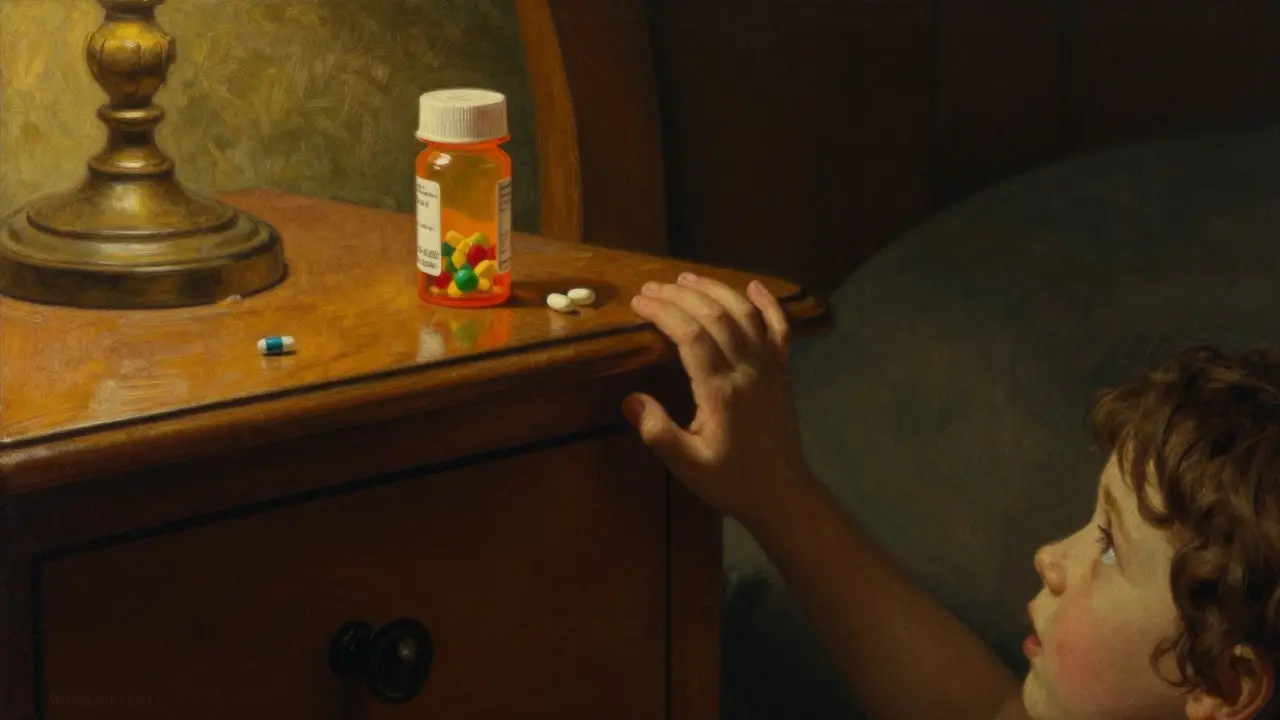
Imagine a toddler reaching for a colorful pill on a nightstand or a curious teenager finding a prescription bottle in a bathroom cabinet. It takes seconds for a mistake to happen, but the consequences can last a lifetime. In the U.S. alone, around 60,000 emergency room visits happen every year because children accidentally poisoned themselves with medications. When those drugs are high-risk-like opioids or strong sedatives-the risk isn't just a stomach ache; it's a potential fatal overdose.
The reality is that most of us treat our medicine cabinets like junk drawers. We toss bottles in and forget about them. But for people taking controlled substances, your home storage setup is actually the first line of defense against accidental poisoning and drug diversion. Whether you're managing chronic pain or caring for a loved one, knowing how to lock down these substances is a non-negotiable part of safety.
Key Safety Takeaways
- Lock it up: Use a dedicated lockbox or cabinet to prevent unauthorized access.
- Keep it high: Store meds at least 4 feet off the floor to keep them out of reach of kids.
- Stay original: Never move pills into unnamed containers; keep the original pharmacy labels.
- Track usage: Maintain a simple daily log to spot missing pills immediately.
- Dispose safely: Use DEA-authorized take-back sites for expired or unused drugs.
Why "Just Out of Reach" Isn't Enough
Many people think putting a bottle on a high shelf is enough. It isn't. Kids are climbers, and adolescents are opportunistic. Research shows that 1 in 4 teens who misuse prescription opioids get them right from their own family's medicine cabinets. When medications are stored in accessible spots like kitchen counters or bedside tables, the risk of an accident skyrockets.
To truly lower the risk, you need a system that creates a physical barrier. Opioids are powerful pain-relieving drugs that can cause severe respiratory depression and overdose if taken incorrectly. Because these substances are so potent, the CDC suggests storing them in locations at least 4 feet off the ground. This is because most children can only reach objects up to 36 inches high. By adding height and a lock, you're not just hiding the drugs; you're securing them.
Choosing the Right Storage Solution
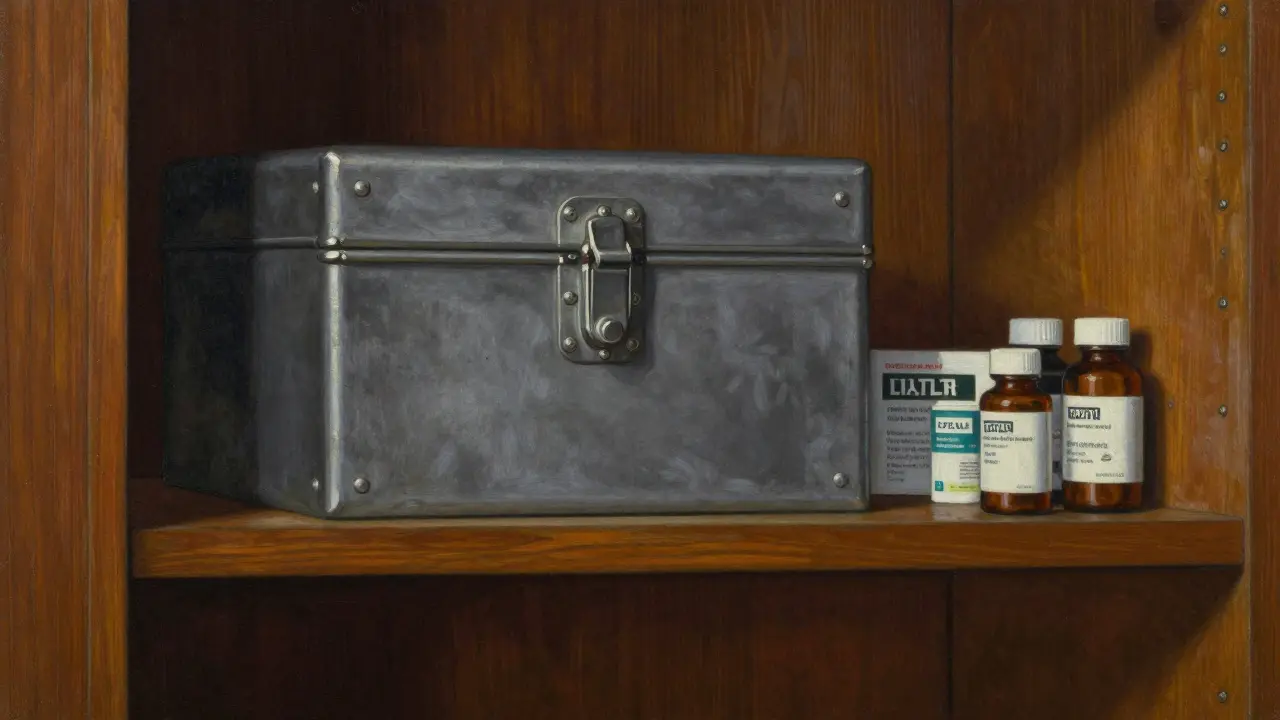
Not all "safe boxes" are created equal. If you're dealing with high-risk meds, you want something that can actually withstand a determined attempt to get inside. If you're shopping for a solution, look for hardware that meets ANSI Grade 2 standards. This means the box is designed to resist forced entry for at least 10 minutes, giving you a much better safety margin than a plastic bin with a flimsy latch.
Depending on your budget and needs, you have a few real options. Traditional lockboxes are the most practical and affordable, while smart dispensers are great for those who struggle with adherence but might be overkill for simple storage.
| Method | Security Level | Approx. Cost | Best For... |
|---|---|---|---|
| Child-Resistant Caps | Low | Included | Daily convenience, but not a primary security measure. |
| Traditional Lockbox | High | $15 - $150 | Preventing theft, diversion, and pediatric access. |
| Smart Dispensers | Very High | $99 - $200+ | Patients needing strict schedules and digital logs. |
| Locked Cabinets | High | Varies | Storing multiple prescriptions in one secure area. |
The Danger of the "Convenience Trap"
We've all done it: transferring pills into a daily organizer or a different bottle because the pharmacy caps are too hard to open. This is a huge mistake with high-risk medication storage. Original containers aren't just for pharmacy records; they are engineered safety devices. According to FDA research, medications kept in original child-resistant packaging see 40% fewer accidental ingestions than those moved to alternative containers.
If you struggle with arthritis or limited hand mobility, don't just ditch the original bottle. Look for lockboxes with emergency release mechanisms or digital codes. There are options like the Med-ic Safe Locking Pill Organizer that use a 4-digit code, allowing you to maintain security without needing the finger strength to twist a cap 20 times a day.
How to Set Up a Secure Home System
Setting up a safe system doesn't take all day, but it does require a bit of intentional effort. If you spend an hour today, you can potentially prevent a tragedy tomorrow. Here is a practical 5-step process based on CDC guidelines:
- Do a full inventory: Spend 20 minutes gathering every prescription in your house. Check for expired drugs that need to be tossed.
- Verify packaging: Ensure every high-risk drug is in its original container with the label clearly visible.
- Pick your lock: Purchase a lockbox or a secure cabinet. If funds are tight, look for community health programs that sometimes provide free secure storage.
- Place it high: Mount your cabinet or place your lockbox at least 4 feet off the ground, away from high-traffic areas like the kitchen.
- Start a log: Spend 2 minutes a day noting how many pills are left. If you notice a count is off, you'll know immediately that someone else may have accessed the meds.
Managing the Environment: Temperature and Humidity
Security isn't just about locks; it's also about keeping the medicine effective. If you store your lockbox in a steamy bathroom or near a hot radiator, you might be destroying the drug's potency. Most medications should be kept between 68-77°F (20-25°C).
Avoid the common mistake of using the bathroom as your primary storage site. The humidity from the shower can break down the chemical structure of certain tablets. A cool, dry bedroom closet or a dedicated high shelf in a utility room is usually a much better bet. Just remember to keep the lockbox tucked away so it isn't an obvious target for guests or children.
What to Do with Unused Medications
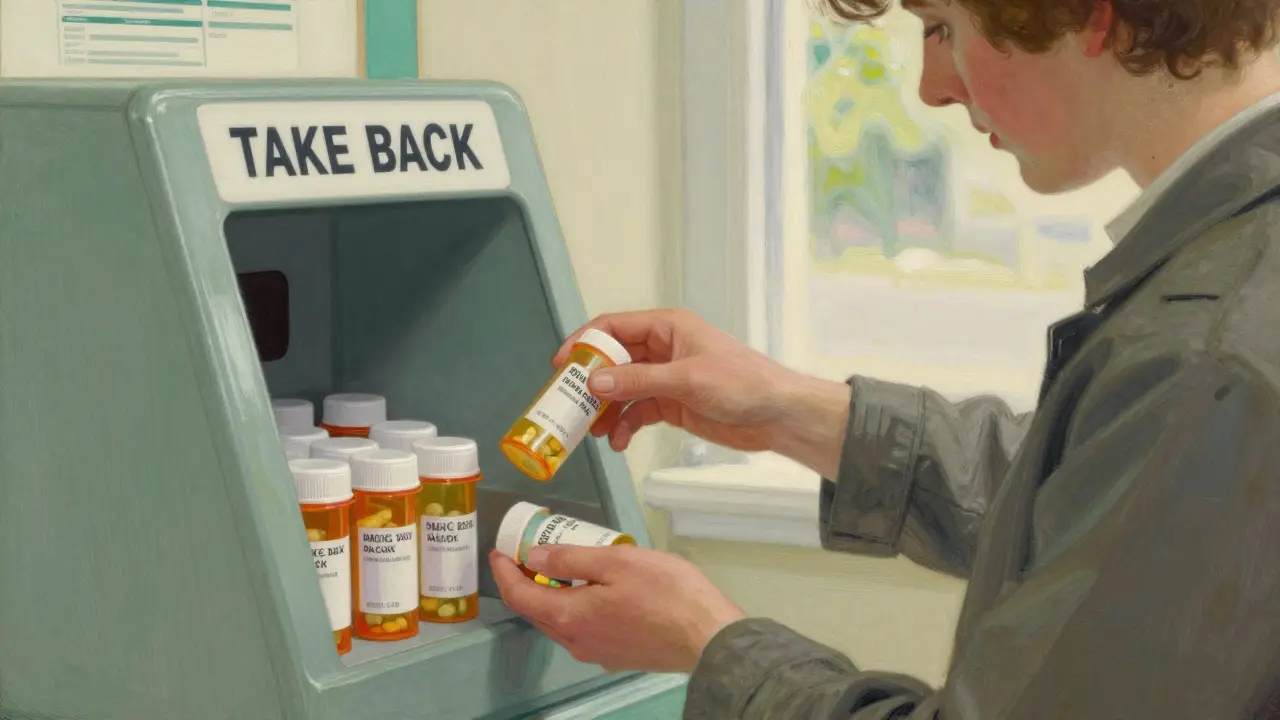
The safest way to store a medication you no longer need is to get it out of your house entirely. Keeping "just in case" pills from a surgery three years ago is a liability. The DEA runs National Prescription Drug Take Back Days twice a year (typically April and October) to help people clear out their cabinets safely.
If you can't wait for a scheduled event, find a permanent authorized collection site. Many pharmacies now have secure drop-off kiosks. Never flush high-risk meds down the toilet or throw them in the trash, as this can contaminate water supplies and allow scavengers (including pets and wildlife) to ingest them.
Are child-proof caps enough to prevent overdoses?
No. While child-resistant caps are a great first layer of defense, they are not foolproof. Many children can eventually open them, and they provide zero protection against teenagers or adults who might misuse the medication. A locked box is the only way to significantly reduce the risk of diversion and intentional misuse.
Where is the absolute worst place to store my medicine?
The worst places are low-level kitchen cabinets, bedside nightstands, and bathroom counters. These are the first places children look and the easiest spots for guests to spot medications. Additionally, bathrooms are often too humid, which can degrade the medication.
How do I know if a lockbox is actually secure?
Look for boxes that reference ANSI Grade 2 standards or higher. This indicates the box has been tested to withstand a certain amount of force. Avoid simple plastic containers with "locks" that can be easily pried open with a butter knife or screwdriver.
What should I do if I suspect someone has taken my medication?
First, check your pill count log to confirm exactly how much is missing. Then, immediately secure the remaining medication in a different, more secure location. If you suspect a child or teen has ingested the medication, call the Poison Help hotline (1-800-222-1222) or emergency services immediately.
Can I use a digital safe for my medications?
Yes, a digital safe is an excellent option. Just ensure it has a backup physical key in case the batteries die, so you aren't locked out of your own life-saving medication during an emergency.
Next Steps for Home Safety
If you're feeling overwhelmed, start small. You don't need a high-tech vault today. Begin by moving your meds to a high shelf and checking your labels. From there, invest in a basic lockbox. If you have a family member with dementia or severe cognitive impairment, consider a smart dispenser that alerts you when a dose is missed or taken twice.
Finally, keep the Poison Help hotline number saved in your phone. In a crisis, you won't have time to Google for a number. Having that contact and a locked box in place means you've done everything possible to keep your home a safe environment for everyone.
william wang
April 15, 2026 AT 21:44The part about the bathroom humidity is spot on. I've seen so many people store their meds right next to the shower and then wonder why the tablets are crumbling or losing potency. It's a huge mistake that's honestly way too common in most households.