
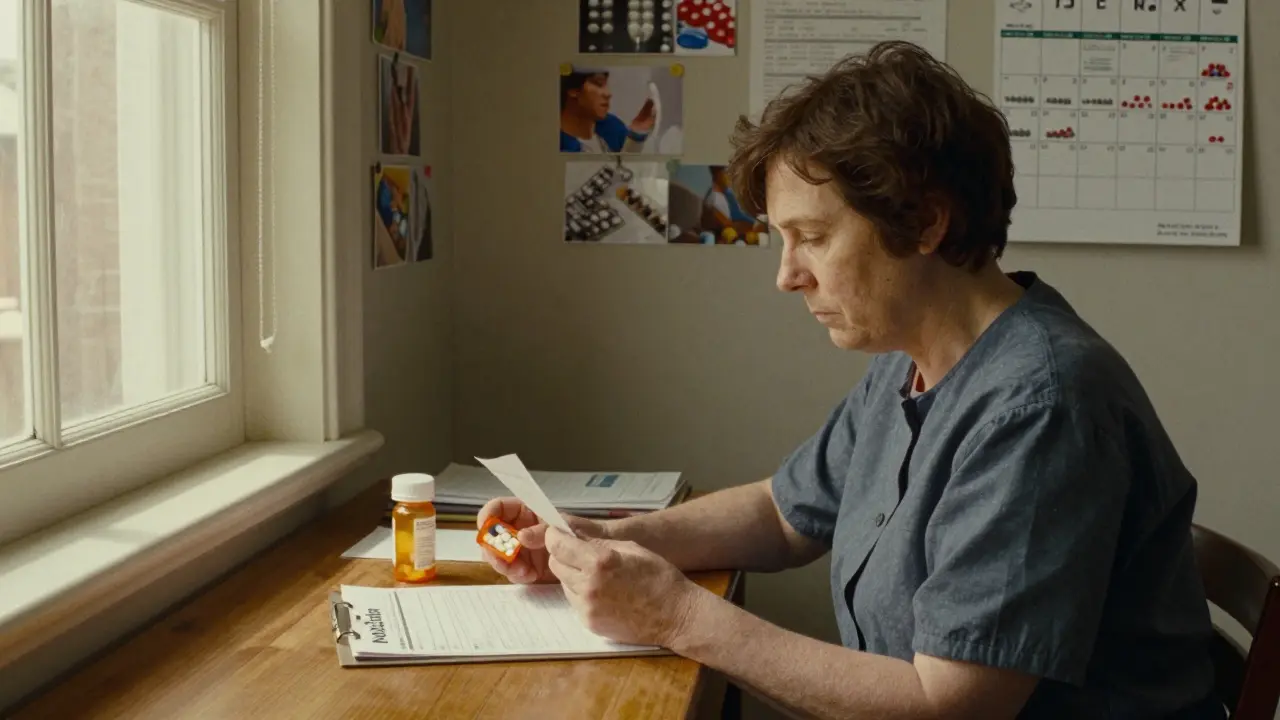
Every year, millions of people take prescription drugs without issue. But for some, a medication can cause a serious or unexpected reaction - from a mild rash to life-threatening organ damage. If you’ve experienced something like this, you’re not alone. And more importantly, reporting it can help protect others.
The U.S. Food and Drug Administration (FDA) doesn’t just approve drugs - it keeps watching them after they’re on the market. That’s where adverse event reporting comes in. It’s not just for doctors or drug companies. If you’re a patient, a caregiver, or a healthcare provider, you can and should report unexpected side effects. This isn’t bureaucracy. It’s public safety.
What Counts as an Adverse Event?
An adverse event is any harmful or unwanted reaction linked to a medication, whether or not it’s officially listed as a side effect. That includes:
- Severe allergic reactions (anaphylaxis)
- Liver damage from a common painkiller
- Unexplained seizures after starting a new antidepressant
- Blood clots following birth control use
- Worsening of a pre-existing condition
- Drug interactions you didn’t expect
- Even cases where the drug didn’t work at all - especially if it was meant to treat something serious
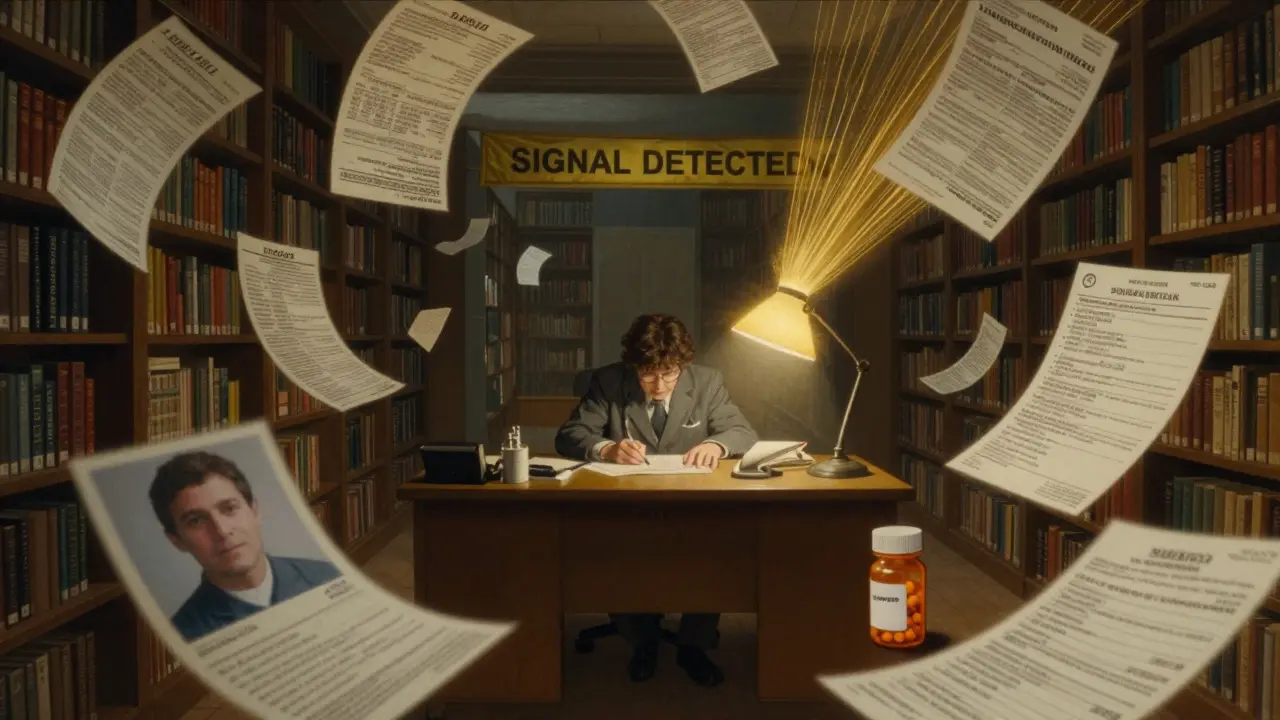
The FDA doesn’t need proof that the drug caused the problem. They just need to know it happened. That’s because the system’s job is to spot patterns - not to assign blame. If 50 people report the same rare reaction to the same drug, that’s a signal. And signals lead to warnings, label changes, or even drug recalls.
Who Should Report?
You don’t need to be a medical professional to report. Three groups use the system:
- Patients and caregivers - You’re the first to notice when something feels wrong. Your report matters.
- Healthcare providers - Doctors, pharmacists, nurses, and other clinicians are encouraged to report. In fact, federal law requires reporting for certain drugs like vaccines.
- Pharmaceutical companies - They’re legally required to report all serious and unexpected side effects within 15 days. But their reports only make up about a third of the total.
Here’s the truth: over 90% of adverse events go unreported. Studies show only 1% to 10% of serious reactions ever make it into the system. That means the FDA is working with a fraction of the real picture. Your report could be the one that triggers a safety alert.
How to Report as a Patient or Caregiver
Reporting as a patient is simpler than you think. Here’s how to do it right:
- Write down the details - Before you start, gather: the name of the drug (brand and generic), dosage, how long you took it, when the reaction started, what happened, and how it ended (did you go to the hospital? Did you recover?).
- Get help if you can - Talk to your doctor or pharmacist. They can confirm whether the reaction was unexpected and help you fill out the form accurately. Their clinical notes add weight to your report.
- Go to MedWatch - Visit www.fda.gov/medwatch and click on "Consumer Reporting Form" (Form 3500).
- Fill it out completely - The form asks for your age, gender, and basic health info. Then it asks for drug details and a description of the event. Use plain language. Don’t skip the "time to onset" field - this is critical. If the rash appeared 3 days after starting the pill, say so.
- Attach photos - Upload pictures of the pill bottle, prescription label, or even the medication itself. This helps the FDA verify what you took.
- Submit - You’ll get a confirmation number. Save it. You can return to the form within 3 days to finish if you get interrupted.
Pro tip: Reports with lab results, imaging reports, or hospital discharge summaries attached are 68% more likely to trigger a safety review. If you have those, include them.
How Healthcare Professionals Report
As a clinician, your report carries more weight. You have access to medical records, lab values, and clinical context that patients don’t. That makes your report invaluable.
Use the same MedWatch online form (Form 3500), but add:
- Diagnosis codes
- Lab results (e.g., ALT levels for liver injury)
- Drug start and stop dates
- Concurrent medications
- Outcome (resolved, improved, permanent damage, death)
The FDA found that reports from healthcare providers are 73% more likely to be used in safety investigations than patient-only reports. Why? Because they include clinical reasoning - not just symptoms.
If you’re reporting a serious reaction to a vaccine, you’re legally required to file. Use the Vaccine Adverse Event Reporting System (VAERS), which is separate but linked to MedWatch.

What Happens After You Submit?
Once your report lands in the FDA’s FAERS database, it’s stored with over 30 million others. The system doesn’t respond to each report individually - unless it’s part of a pattern.
Here’s what happens behind the scenes:
- Reports are coded using MedDRA - a global medical terminology system that turns "chest pain" into a standardized code.
- Algorithms look for clusters. If 10 people report liver failure after taking Drug X, and that’s 10 times more than expected, the system flags it.
- Analysts review flagged signals. They check if the event matches known risks or if it’s truly new.
- If a signal is confirmed, the FDA may issue a safety alert, update the drug label, require new studies, or - in rare cases - pull the drug.
Real example: In 2018, reports of aortic aneurysms linked to fluoroquinolone antibiotics piled up. The FDA added a "Black Box" warning - the strongest possible - to those drugs. That warning came from patient and doctor reports.
Don’t expect a personal reply. But if your report is part of a larger trend, you might be contacted for more information. One patient reported her daughter’s anaphylaxis to penicillin - and received a follow-up call from an FDA safety officer within 10 days asking for lab results.
Common Mistakes That Make Reports Less Useful
Many reports are thrown out because they’re too vague. Here’s what not to do:
- Don’t say "I felt weird." Say: "I developed a red, itchy rash on my chest 48 hours after taking lisinopril. It spread to my arms and lasted 7 days. I stopped the drug and it cleared up in 3 days."
- Don’t forget the timeline. The link between drug and event is stronger if the reaction happened within hours or days of starting - not months later.
- Don’t assume the side effect is "normal." If it’s not listed in the patient leaflet, report it anyway. That’s how new risks are found.
- Don’t wait. The sooner you report, the sooner the FDA can spot a trend.
One doctor on Reddit spent 45 minutes filling out a report on Stevens-Johnson syndrome - only to have the system time out. He had to start over. Save your work often. Use the Report ID to return later.
Why This System Isn’t Perfect - But Still Vital
The FDA has only 1 safety reviewer for every 18,000 reports. That’s a huge backlog. It takes an average of 217 days for a report to be reviewed. And many side effects are underreported.
But here’s what’s true: every major drug safety warning in the last 20 years started with a report. Thalidomide. Vioxx. Fen-phen. The list goes on. These drugs were approved as safe - until enough people spoke up.
Pharmaceutical companies face fines of over $2 million per violation for failing to report. But patients and doctors? We’re not punished for reporting too much. We’re rewarded for reporting at all.
What’s Changing in 2025?
The FDA is upgrading its system. In 2023, they launched FAERS Public Dashboard 2.0 - a free tool where anyone can search reports by drug or symptom. You can see what others have reported.
By 2025, the FDA plans to use AI to scan thousands of reports automatically. They’re also working to connect with electronic health records - which could boost reporting rates by 300%.
But none of that matters if people don’t report.
The system only works when ordinary people speak up.
Frequently Asked Questions
Do I need to prove the drug caused the reaction to report it?
No. The FDA doesn’t require proof of causation. They only need to know the event happened after taking the drug. Their job is to find patterns - not to determine individual blame. Even if you’re unsure, report it. If enough people report the same issue, it becomes a signal.
Can I report an adverse event for an over-the-counter (OTC) drug?
Yes. You can report side effects from any medication - prescription, OTC, herbal, or dietary supplements. The FDA tracks all of them. Common OTC drugs like ibuprofen, acetaminophen, and antihistamines have caused serious reactions that were only discovered because of public reports.
Is my report confidential?
Yes. The FDA protects your identity. Your name, address, and contact info are kept private and only used for follow-up if needed. Reports in the public FAERS database are anonymized - no personal details are shared.
What if I don’t know the exact name of the drug?
Try to find it. Look at the pill bottle, prescription label, or pharmacy receipt. If you can’t, describe it: color, shape, markings, packaging. The FDA can often identify it from photos or descriptions. It’s better to report with partial info than not at all.
How long does it take for a report to lead to a drug warning?
There’s no fixed timeline. Some signals are caught within weeks if hundreds of similar reports appear. Others take years. The fluoroquinolone aneurysm risk took 5 years and over 1,000 reports before the FDA acted. Consistency matters more than speed.
Can I report an adverse event for a drug I took years ago?
Yes. The FDA accepts reports for events that happened at any time. Even if the drug is no longer on the market, your report helps build a historical record. It may help researchers understand long-term risks or explain why a drug was pulled years ago.
Do I need to report if I already told my doctor?
Yes. Your doctor may not report it. Most clinicians are overwhelmed and don’t always file reports - even when they should. Your report ensures the FDA sees it. Don’t assume someone else will do it.
Can I report a side effect from a vaccine?
Yes - but use VAERS (vaccineadverseeventreporting.gov), not MedWatch. VAERS is specifically for vaccines and is co-managed by the FDA and CDC. The process is nearly identical: fill out the form online, attach details, and submit. Vaccine reports are critical for monitoring safety in real time.
Next Steps
If you’ve ever had an unexpected reaction to a medication - even if it was minor - consider reporting it now. It takes 15 minutes. You don’t need a medical degree. You just need to care enough to speak up.
Visit www.fda.gov/medwatch and click "Report a Problem." Use the patient form. Fill it out honestly. Attach a photo of the pill bottle. Submit.
That one report might not change anything today. But if 100 others report the same thing next month? That’s how drugs get safer.
Jane Wei
December 17, 2025 AT 02:49Marie Mee
December 18, 2025 AT 04:49Naomi Lopez
December 18, 2025 AT 06:07Kent Peterson
December 19, 2025 AT 00:43Josh Potter
December 20, 2025 AT 01:55Evelyn Vélez Mejía
December 20, 2025 AT 03:28Victoria Rogers
December 20, 2025 AT 23:31Salome Perez
December 21, 2025 AT 06:12Erik J
December 21, 2025 AT 12:11BETH VON KAUFFMANN
December 22, 2025 AT 13:35Michael Whitaker
December 22, 2025 AT 18:32Anu radha
December 23, 2025 AT 09:53Meghan O'Shaughnessy
December 23, 2025 AT 09:55