
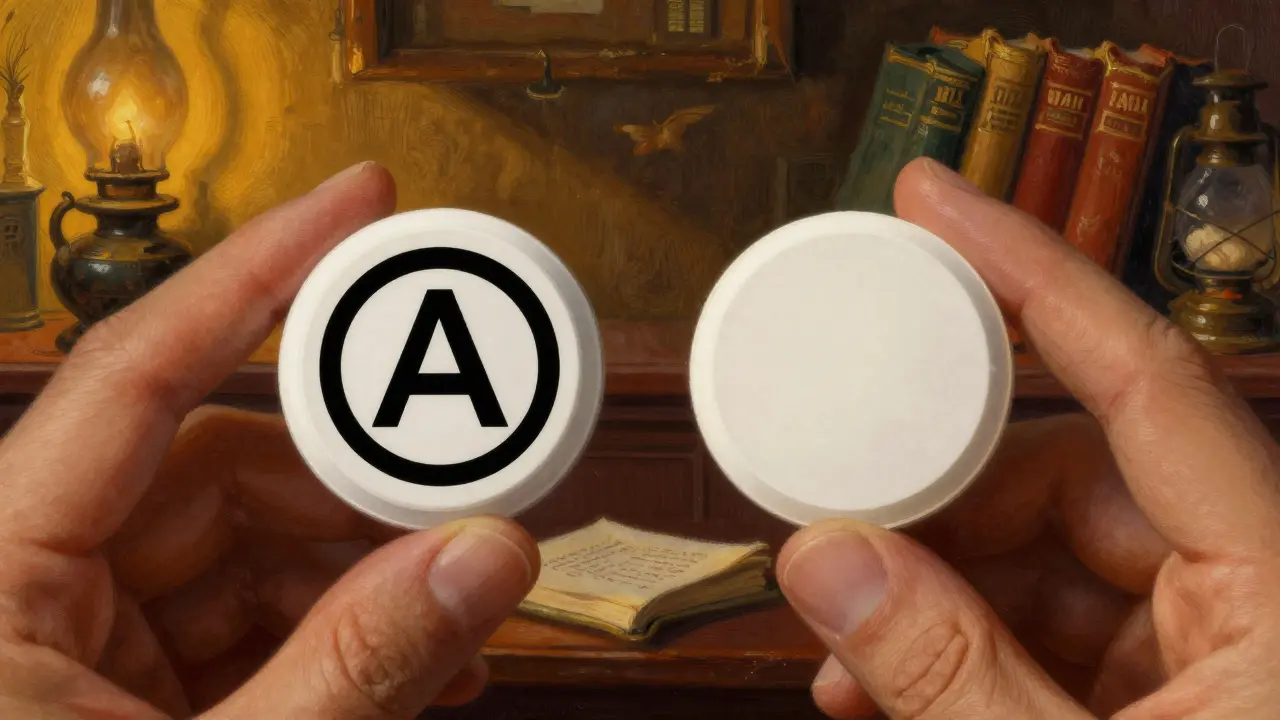
When you pick up a prescription, you might see two names on the bottle: one you recognize, like Lipitor or Advil, and another that looks completely different, like atorvastatin or ibuprofen. The second one is a generic drug. It’s not a cheaper version of the original-it’s the same medicine, made to the same exact standards, just without the brand name and marketing costs.
What Exactly Is a Generic Drug?
A generic drug contains the same active ingredient as the brand-name version. That means it works the same way in your body, treats the same condition, and has the same risks and benefits. The FDA defines it clearly: a generic drug must be identical or bioequivalent to the brand-name drug in dosage form, safety, strength, route of administration, quality, performance characteristics, and intended use. It’s not a copy. It’s not a substitute. It’s the same medicine, approved under the same strict rules. The only differences are in the inactive ingredients-things like dyes, fillers, or flavors-that don’t affect how the drug works. These are changed just so the generic doesn’t look exactly like the brand, to avoid trademark issues.How Do Generic Drugs Get Approved?
Before a generic drug can be sold, it must go through a process called the Abbreviated New Drug Application, or ANDA. This system was created by the Hatch-Waxman Act of 1984. Before that, every new drug, even if it was chemically identical, had to go through the same expensive clinical trials as the original. That made generics nearly impossible to produce. The ANDA process changed everything. Instead of repeating full clinical trials, generic manufacturers only need to prove one thing: bioequivalence. That means the generic delivers the same amount of active ingredient into your bloodstream at the same rate as the brand-name drug. The FDA requires that the 90% confidence interval for the ratio of the generic’s AUC (area under the curve) and Cmax (peak concentration) falls between 80% and 125% of the brand-name drug’s values. That’s a very tight range-and it’s not just a number. It means your body absorbs the medicine the same way, every time. The FDA also inspects every manufacturing facility-whether it’s in the U.S., India, or China-with the same standards used for brand-name drugs. About 3,500 inspections happen each year. These aren’t scheduled visits. They’re random, unannounced checks. The agency looks at everything: how ingredients are mixed, how tablets are pressed, how the final product is stored. If it doesn’t meet cGMP (Current Good Manufacturing Practices), the drug doesn’t get approved.Are Generic Drugs Really as Safe and Effective?
Yes. And the evidence is overwhelming. The Institute of Medicine reviewed 38 clinical studies on generic cardiovascular drugs and found no clinically meaningful differences in effectiveness compared to brand-name versions. The American College of Physicians, the American Medical Association, and the FDA all state that generics are therapeutically equivalent. Dr. Janet Woodcock, former head of the FDA’s drug review center, said plainly: “The FDA would not allow generics to be marketed unless they were therapeutically equivalent to the brand.” Even in cases where people worry about small differences-like with warfarin (a blood thinner) or levothyroxine (for thyroid conditions)-studies show that switching between brand and generic doesn’t cause harm when properly monitored. The FDA allows a ±5% variation in active ingredient content for both brand and generic drugs. That’s the same tolerance. No special exceptions. The myth that generics are “weaker” or “less reliable” comes from confusion, not science. Many people think the name on the bottle affects how the medicine works. It doesn’t. The active ingredient is what matters. And that’s identical.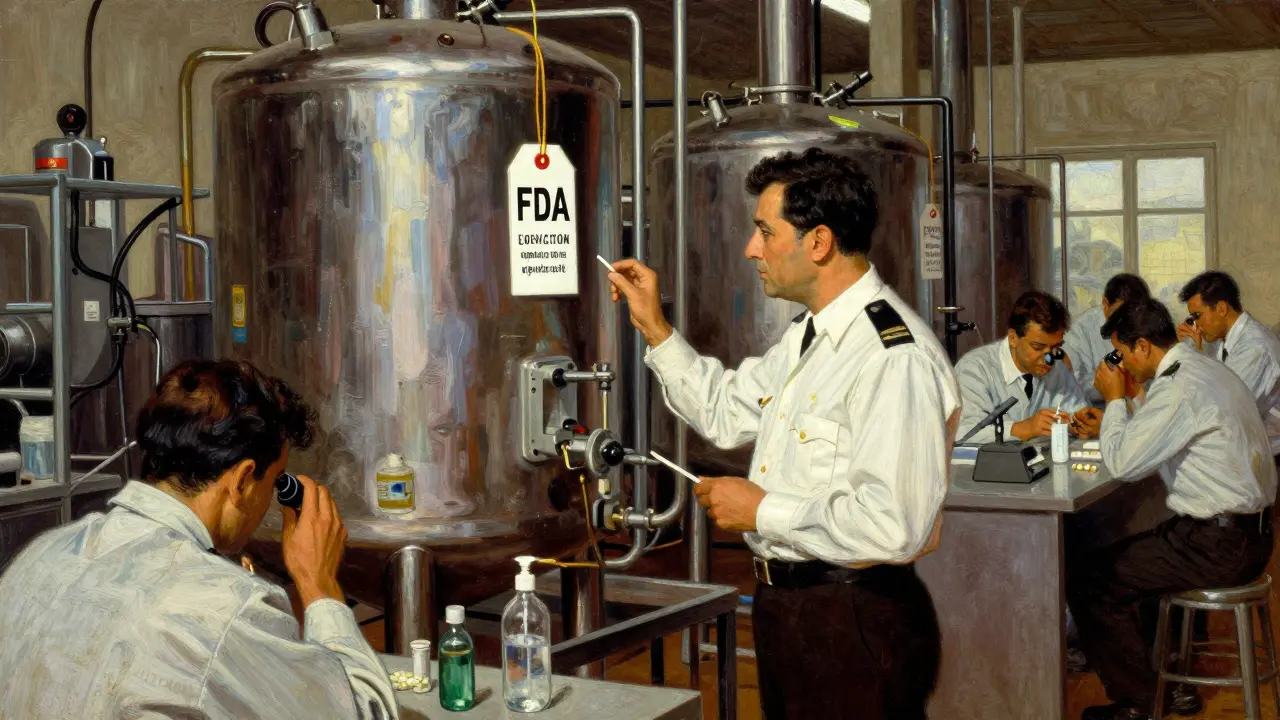
Why Are Generic Drugs So Much Cheaper?
The reason is simple: no repeat of expensive research. Developing a new brand-name drug costs an average of $2.6 billion. That includes 10-15 years of research, animal testing, and multiple phases of clinical trials involving thousands of patients. Once the patent expires, other companies can make the same drug without paying that cost. They don’t need to prove it works again-they just need to prove it works the same way. That’s why generics cost 80-85% less than brand-name drugs. In the U.S., generics make up 90.5% of all prescriptions dispensed but only 13.1% of total drug spending. Over the past decade, they’ve saved the healthcare system an estimated $2.18 trillion. The more generic manufacturers enter the market, the lower prices go. When five or more companies make the same generic, prices drop to about 9% of the original brand price. That’s not speculation-it’s data from the Federal Trade Commission.What About Complex Drugs Like Biologics?
Not all drugs are easy to copy. Biologics-drugs made from living cells, like insulin, rheumatoid arthritis treatments, or cancer therapies-are far more complex than pills. You can’t just replicate the chemical formula. That’s why we don’t call them “generics.” We call them biosimilars. Biosimilars are “highly similar” to the original, but not identical. They require more testing and often cost less, but not by as much. While regular generics save 80-85%, biosimilars typically save 20-30%. Adoption has been slow, partly because of legal barriers and lack of provider education. But that’s changing. More biosimilars are being approved every year, and their market share is growing.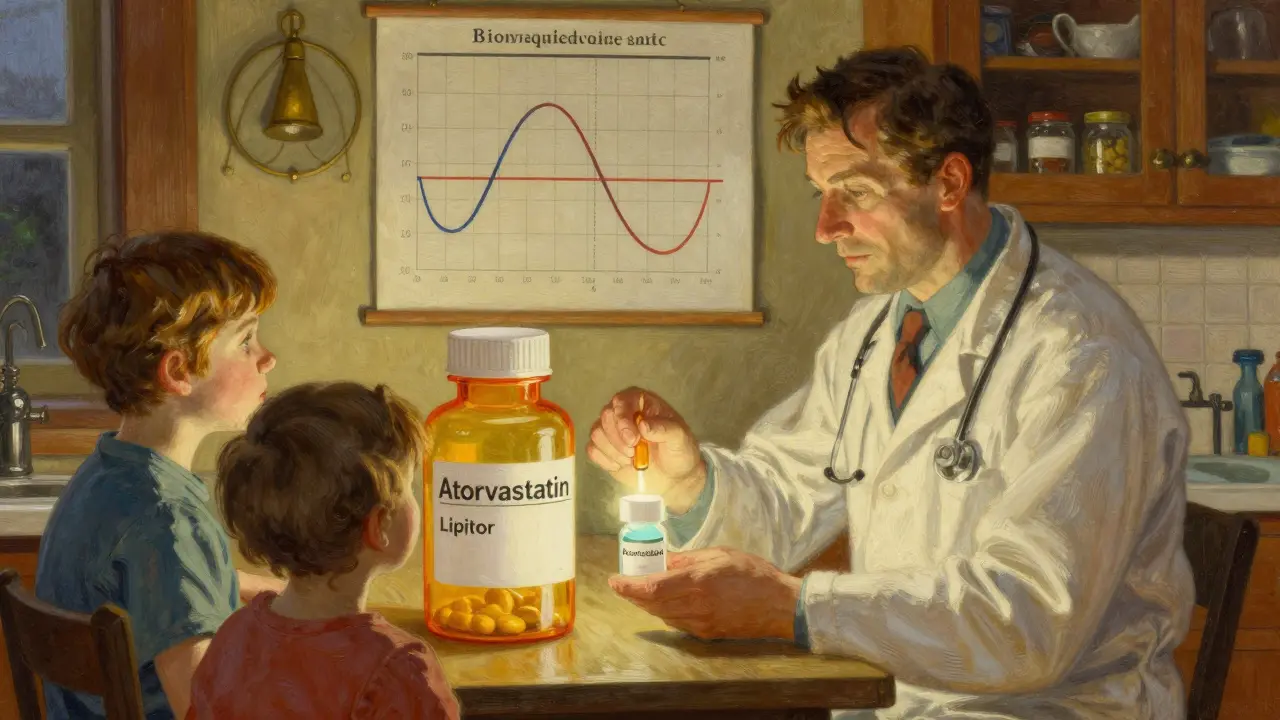
Can Pharmacists Substitute Generics Automatically?
In 49 U.S. states, yes. Pharmacists can swap a brand-name drug for its generic version unless the doctor writes “dispense as written” on the prescription. This is called generic substitution, and it’s standard practice. Some states require pharmacists to notify patients when a substitution is made. Others require counseling on the differences in appearance-color, shape, size-so patients don’t think they got the wrong medicine. That’s important. Many people panic when their pill looks different. But if the name on the bottle matches the prescription, and it’s approved by the FDA, it’s the right medicine.What’s Next for Generic Drugs?
More than 350 brand-name drugs with combined annual sales of $138 billion are set to lose patent protection between 2023 and 2027. That’s a huge wave of new generic opportunities. The FDA is also pushing to speed up approvals. Under GDUFA III, which took effect in 2022, the goal is to approve 90% of standard generic applications within 10 months. They’re also increasing inspections in countries like India and China, where most active ingredients are made. That’s because 80% of the world’s generic drug ingredients come from just two countries-and supply chain disruptions can cause shortages. In 2022, the FDA reported a 22% increase in drug shortages, partly due to manufacturing quality issues. That’s why oversight matters. The same strict standards that apply to brand-name drugs must apply to generics. No exceptions.Final Thoughts
Generic drugs aren’t a compromise. They’re the smart, safe, and proven choice. They’ve been studied, tested, inspected, and approved by the same agencies that regulate the most expensive drugs on the market. The only real difference is the price. If your doctor prescribes a brand-name drug and you’re unsure, ask: “Is there a generic version?” The answer is almost always yes. And if you’re worried about switching, talk to your pharmacist. They’re trained to explain the differences-and reassure you that your medicine is just as good, no matter what it looks like on the bottle.Are generic drugs as effective as brand-name drugs?
Yes. Generic drugs must meet the same FDA standards as brand-name drugs. They contain the same active ingredient, in the same strength, and deliver it the same way into your bloodstream. The FDA requires bioequivalence testing, meaning the generic performs identically to the brand in real-world use. Studies show no meaningful difference in effectiveness for most medications.
Why do generic drugs look different from brand-name drugs?
The difference in appearance-color, shape, or size-is due to trademark laws. Brand-name companies own the look of their pills, so generic manufacturers must make theirs visually distinct. But these changes only involve inactive ingredients like dyes or fillers, which have no effect on how the drug works. The active ingredient is identical.
Can I trust generics made in other countries like India or China?
Yes. The FDA inspects all manufacturing facilities-no matter where they’re located-with the same strict standards. About 80% of active pharmaceutical ingredients for generics come from India and China, but every facility must pass unannounced inspections to meet U.S. cGMP requirements. If a facility fails, the FDA blocks the product from entering the U.S. market.
Are there any drugs where generics might not be safe to use?
For most drugs, generics are just as safe. But for medications with a narrow therapeutic index-like warfarin, levothyroxine, or certain anti-seizure drugs-small changes in blood levels can matter. In these cases, doctors may recommend sticking with one version (brand or generic) to avoid potential fluctuations. But even here, switching isn’t dangerous-it just requires closer monitoring. Always consult your doctor before making a change.
How do I know if a generic drug is approved by the FDA?
All approved generic drugs are listed in the FDA’s Orange Book, which shows which generics are therapeutically equivalent to brand-name drugs. Your pharmacist can check this, or you can search online at the FDA’s website. If it’s on the market in the U.S., it’s been approved. If it’s not in the Orange Book, it’s not legally sold as a generic here.
Do generic drugs have the same side effects as brand-name drugs?
Yes. Since the active ingredient is identical, the side effects are the same. The inactive ingredients don’t cause different side effects in most people. If you’ve had a reaction to a brand-name drug, you’re likely to have the same reaction to the generic. Always report side effects to your doctor or pharmacist.
Why don’t all pharmacies stock every generic drug?
It’s usually about cost and demand. Pharmacies stock the most commonly prescribed generics first. If a generic is expensive to order or rarely requested, they might not keep it on hand. But they can almost always order it within a day or two. If you’re having trouble getting a specific generic, ask your pharmacist to order it for you.
anthony epps
December 16, 2025 AT 06:29So if the generic is the exact same drug, why do some people swear their brand-name pill works better? I get it’s placebo, but it’s weird how strong that belief is.
Dan Padgett
December 16, 2025 AT 17:00Man, this is like comparing a song played on a $500 speaker versus a $5 Bluetooth one. The melody’s the same, the notes, the rhythm - but people think the expensive one feels deeper. Truth is, your ears don’t know the difference unless you’re listening for the brand name.
Hadi Santoso
December 17, 2025 AT 23:49just read this and thought about how we treat meds like luxury items. we don't care if the engine in a toyota is the same as a lexus, but if the pill looks different we freak out. we've been trained to equate price with power. sad. but also kinda hilarious when you think about it.
Kim Hines
December 19, 2025 AT 01:32My pharmacist switched me to generic for my blood pressure med. I didn’t even notice until I checked the bottle. Guess that’s the point.
Aditya Kumar
December 20, 2025 AT 20:04why do i even care. just give me the cheap one.
Randolph Rickman
December 21, 2025 AT 20:14People still doubt generics? Bro, the FDA doesn’t mess around. They inspect factories like they’re hunting for terrorists. If a generic made in India passes their unannounced checks, it’s safer than your weird energy drink from the gas station. Save your money. Your body won’t know the difference.
sue spark
December 23, 2025 AT 18:01I switched to generic levothyroxine last year and my doctor said to watch for changes. I didn't feel anything different but i kept a journal just in case. turns out i was overthinking it like always
Tiffany Machelski
December 25, 2025 AT 01:05so if the active ingrediant is the same why do some generics give me headaches and the brand dont? maybe its the fillers? idk just saying
SHAMSHEER SHAIKH
December 26, 2025 AT 23:13It is with profound humility and unwarranted confidence in the scientific method that I submit the following observation: The FDA’s rigorous bioequivalence parameters, grounded in statistical rigor and pharmacokinetic precision, affirm beyond reasonable doubt that generic pharmaceuticals are not merely acceptable alternatives - they are, in fact, therapeutically indistinguishable from their branded counterparts. This is not opinion. This is fact. And it is time we cease the cultural delusion that cost correlates with efficacy.
James Rayner
December 28, 2025 AT 01:11my grandpa used to say 'if it ain't broke, don't fix it' - but then he took generic ibuprofen for 12 years and never had a problem. 🤷♂️
Andrew Sychev
December 29, 2025 AT 20:12Oh great, so now the government is telling me my $100 brand-name pills are a scam? I spent YEARS believing they were special. Now I feel betrayed. My anxiety meds were my little luxury. Who am I now?
Arun ana
December 29, 2025 AT 22:56India makes most of the world’s generics and the FDA checks them. That’s wild. So many of us think 'made in India' = low quality, but the truth is they’re building the medicine that keeps Americans alive. Respect.
Kayleigh Campbell
December 31, 2025 AT 17:59So the brand-name drug costs $200 and the generic is $5. The pill looks different. The box looks different. The only thing that’s the same? The thing that actually matters. And yet people still pay the extra $195 like it’s a status symbol. 😑
Dave Alponvyr
January 2, 2026 AT 04:51Generic = same drug. Brand = same drug + marketing budget. Pick the one that doesn’t make you poorer.