
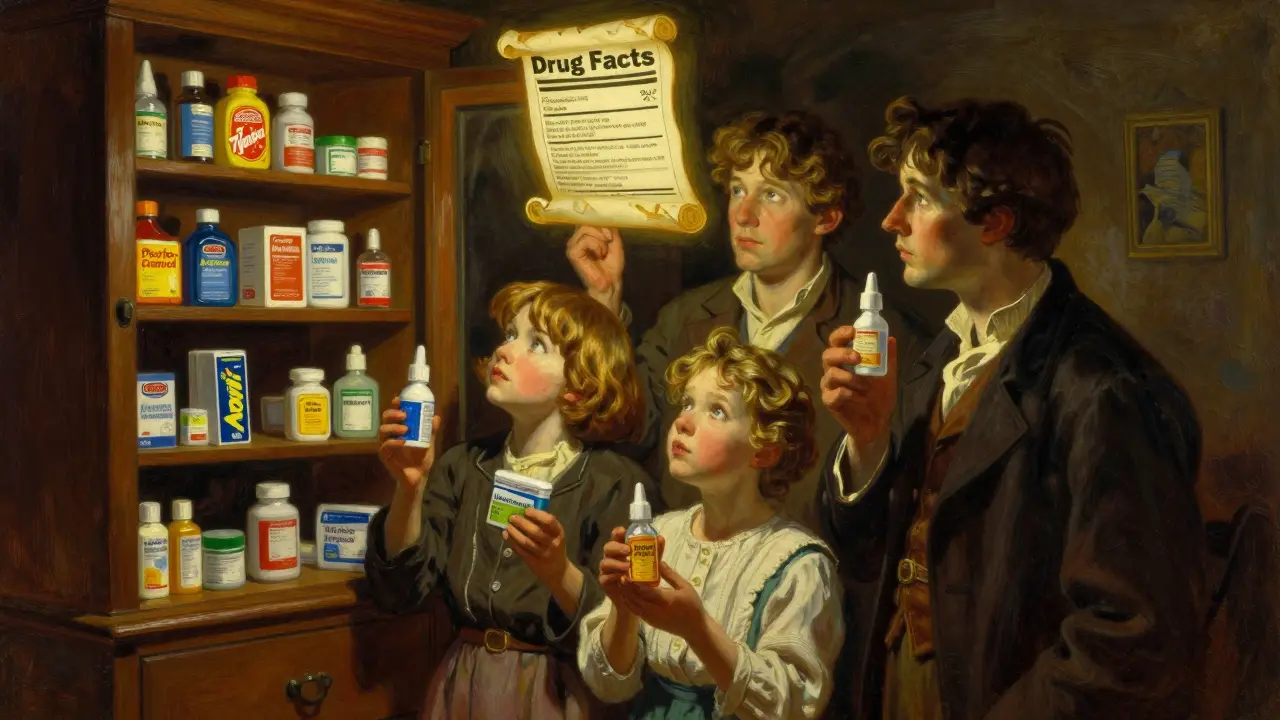
Every year, more than 80% of Americans reach for an over-the-counter (OTC) medication without stepping into a doctor’s office. It’s easy to assume these pills and liquids are harmless because you don’t need a prescription. But that’s exactly where things go wrong. OTC meds aren’t harmless-they’re powerful tools, and like any tool, using them wrong can hurt you.
What Exactly Counts as an OTC Medication?
OTC medications aren’t just painkillers. They include everything from the Tylenol in your cabinet to the toothpaste you use every morning. The FDA classifies any product that treats minor health issues without a prescription as OTC. That means:- Acetaminophen (Tylenol) for headaches
- Ibuprofen (Advil, Motrin) for swollen joints
- Pepto-Bismol for upset stomach
- Claritin for seasonal allergies
- Dandruff shampoos with zinc pyrithione
- Antibiotic ointments like Neosporin
- Lubricating eye drops for dry eyes
- Wart removers with salicylic acid
The Drug Facts Label: Your Secret Weapon
Since 1999, the FDA has required every OTC medicine to follow the same label format: the Drug Facts label. It’s not marketing fluff-it’s your roadmap to safe use. But only 22% of people read the whole thing. Here’s what you need to know:- Active Ingredients: This is the medicine itself. If you’re taking two products with the same active ingredient-like acetaminophen-you’re doubling your dose. That’s how liver damage happens.
- Purpose: What the medicine does. For example, “pain reliever” or “antihistamine.”
- Uses: What symptoms it treats. Don’t use it for something it’s not meant for.
- Warnings: Who shouldn’t take it. This includes allergies, existing conditions, and drug interactions.
- Directions: How much to take, how often, and for how long.
- Inactive Ingredients: Fillers, dyes, flavors. These can trigger allergies, especially in people sensitive to dyes or gluten.
Acetaminophen vs. Ibuprofen: Choosing the Right Pain Relief
Most people reach for pain relievers without thinking. But acetaminophen and ibuprofen work differently-and have very different risks.- Acetaminophen (Tylenol): Best for headaches, fever, and general aches. It doesn’t reduce swelling. The max daily dose is 3,000 mg (6 extra-strength pills). Exceed that, and you risk severe liver damage. In the U.S., acetaminophen overdose causes 56,000 ER visits and 458 deaths every year. Many people don’t realize it’s in cold medicines, sleep aids, and combo pills.
- Ibuprofen (Advil, Motrin): Best for inflammation-sprains, arthritis, menstrual cramps. It reduces swelling and fever. But it’s harder on your stomach and kidneys. Don’t use it if you have high blood pressure, asthma, ulcers, or take blood thinners. The OTC max is 1,200 mg per day (6 tablets of 200 mg). Long-term use raises heart attack and stroke risk. Since April 2023, all NSAID labels must warn about this.
When OTC Medications Become Dangerous
The biggest danger isn’t the medicine-it’s the misunderstanding. Here are the most common mistakes:- Dosing errors: 41% of OTC problems reported to poison control are from wrong doses. Liquid formulas for kids are especially risky. One teaspoon isn’t the same as one tablespoon. Always use the measuring cup that comes with the bottle.
- Combination confusion: 45% of people accidentally buy nighttime cold medicine because it looks like daytime relief. Nighttime formulas often contain diphenhydramine, which causes drowsiness. If you take it during the day, you risk falling asleep at the wheel.
- Hidden ingredients: Cold, flu, and allergy meds often contain acetaminophen, ibuprofen, or antihistamines. Taking two different products means you’re doubling your dose. One man in Ohio took three different cold meds for a week and ended up in the hospital with liver failure-all because he didn’t check the active ingredients.
- Ignoring warnings: If the label says “do not use if you have high blood pressure,” and you have it? Don’t use it. Period.
Who Should Avoid OTC Meds Altogether?
Some people shouldn’t use OTC meds without talking to a doctor first:- Anyone over 65 taking five or more prescription drugs-OTC meds can interact dangerously
- Pregnant women-many OTC drugs cross the placenta
- People with liver or kidney disease-acetaminophen and NSAIDs are processed by these organs
- Anyone with asthma-ibuprofen can trigger attacks in 8.3% of asthma patients
- People on blood thinners-NSAIDs increase bleeding risk
- Children under 6-many OTC cough and cold products aren’t safe for them
How to Use OTC Meds Safely: A 3-Step Rule
The American Society of Health-System Pharmacists recommends this simple checklist before you take any OTC medicine:- Confirm the symptoms match the label. If you have a sore throat and fever, but the bottle says “for runny nose and sneezing,” don’t take it.
- Check active ingredients against everything else you’re taking. Write down every pill, liquid, or patch you use daily-including vitamins and supplements. Compare them to the OTC product.
- Verify the dose for your age and weight. Kids, seniors, and people under 120 lbs often need lower doses. Don’t assume adult dosing is safe for you.
When to Stop Self-Care and See a Doctor
OTC meds are for short-term relief. If symptoms last longer than expected, something’s wrong. Here’s when to call your doctor:- Pain lasts more than 10 days
- Fever stays above 102°F for more than 3 days
- Stomach pain, vomiting, or diarrhea lasts more than 48 hours
- Swelling, redness, or rash develops after taking a new OTC drug
- You feel dizzy, confused, or have trouble breathing
- You’re taking multiple OTC meds and still not improving
What You Can Do Today
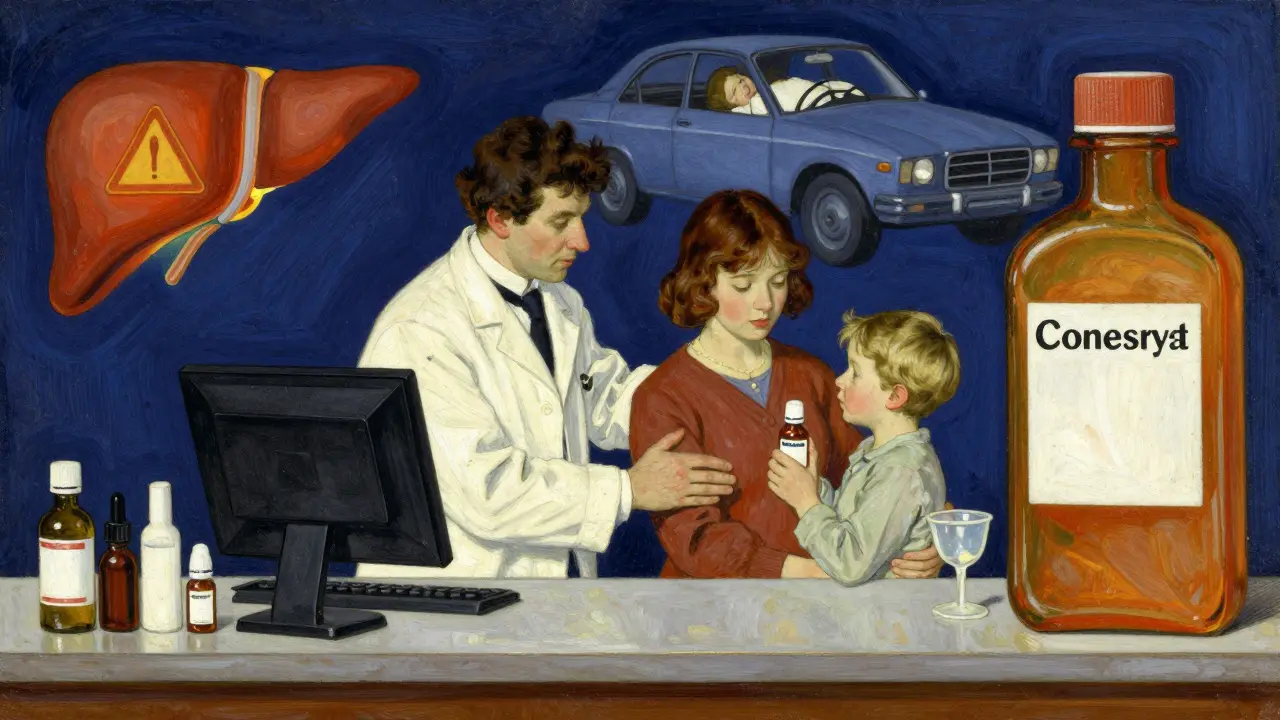
You don’t need to be a pharmacist to use OTC meds safely. Here’s your action plan:- Keep a written list of all meds you take-prescription and OTC-and update it every month.
- Always read the Drug Facts label before buying or using a product.
- Use single-ingredient products when possible. They’re easier to track.
- Store OTC meds in a cool, dry place below 77°F. Heat and humidity break them down.
- Check expiration dates. Old meds lose strength and can become unsafe.
- Ask your pharmacist. Every chain pharmacy offers free medication reviews. Use them.
What’s Changing in OTC Medications?
The OTC world is evolving. In 2023, the FDA started enforcing new rules under the CARES Act:- All NSAID labels must now warn of heart attack and stroke risk.
- Manufacturers must submit new safety data for every OTC product by 2026.
- Up to 20% of current OTC products may be pulled if they can’t prove they work.
Final Thought: OTC Doesn’t Mean Risk-Free
Just because you can buy it without a prescription doesn’t mean it’s safe. OTC medications save lives when used right. But they also hurt people when used carelessly. The difference isn’t the medicine. It’s the person holding it.Know what’s in it. Know why you’re taking it. Know when to stop. And never be afraid to ask for help.
Can I take two different OTC pain relievers at the same time?
No. Most OTC pain relievers contain the same active ingredients. Taking two at once-like Tylenol and a cold medicine that also has acetaminophen-can lead to a dangerous overdose. Always check the Drug Facts label for active ingredients. If they’re the same, don’t combine them.
Is it safe to use OTC meds during pregnancy?
Some are, some aren’t. Acetaminophen is generally considered safe in moderation during pregnancy, but ibuprofen and naproxen should be avoided, especially after 20 weeks. Always talk to your doctor or pharmacist before taking any OTC medicine while pregnant-even something as simple as a cold tablet.
Do OTC meds expire, and is it dangerous to use them after the date?
Yes, they expire. Most have a shelf life of 2-3 years. After that, they may lose strength, but they usually don’t become toxic. However, liquid medications, antibiotics, and eye drops can grow bacteria or break down into harmful substances. If it’s expired, throw it out. Don’t risk it.
Why do some OTC meds require a photo ID to buy?
Products containing pseudoephedrine (like Sudafed) are used to make illegal methamphetamine. The Combat Methamphetamine Epidemic Act of 2005 requires pharmacies to keep these behind the counter and ask for photo ID to limit how much one person can buy in a day. It’s a federal law, not a store policy.
Are store-brand OTC meds the same as name-brand ones?
Yes, legally. Store brands must contain the same active ingredients, strength, and dosage as name-brand products. The only differences are in inactive ingredients (like dyes or fillers) and price. If you’re not allergic to anything on the label, store brands are just as safe and effective-and often cost half as much.
Can I give my child adult OTC medicine if I cut the dose in half?
No. Children’s bodies process medicine differently. Adult formulations often contain ingredients that are unsafe for kids, even in small doses. Always use a product made specifically for children and follow the dosing chart by weight or age. Never guess.
What should I do if I think I took too much OTC medicine?
Call Poison Control immediately at 1-800-222-1222. Don’t wait for symptoms. Even if you feel fine, liver damage from acetaminophen can take hours to show up. Keep the medicine bottle handy-you’ll need to tell them the exact active ingredients and how much you took.
Neil Thorogood
January 27, 2026 AT 07:20Shweta Deshpande
January 28, 2026 AT 06:41Aishah Bango
January 28, 2026 AT 17:04Simran Kaur
January 28, 2026 AT 23:59Jessica Knuteson
January 29, 2026 AT 11:44rasna saha
January 30, 2026 AT 01:34Ashley Porter
January 30, 2026 AT 21:51Geoff Miskinis
January 31, 2026 AT 00:20Sally Dalton
February 1, 2026 AT 18:44Betty Bomber
February 2, 2026 AT 20:36Mohammed Rizvi
February 3, 2026 AT 00:02Shawn Raja
February 4, 2026 AT 16:05Ryan W
February 6, 2026 AT 07:23Allie Lehto
February 8, 2026 AT 06:21