
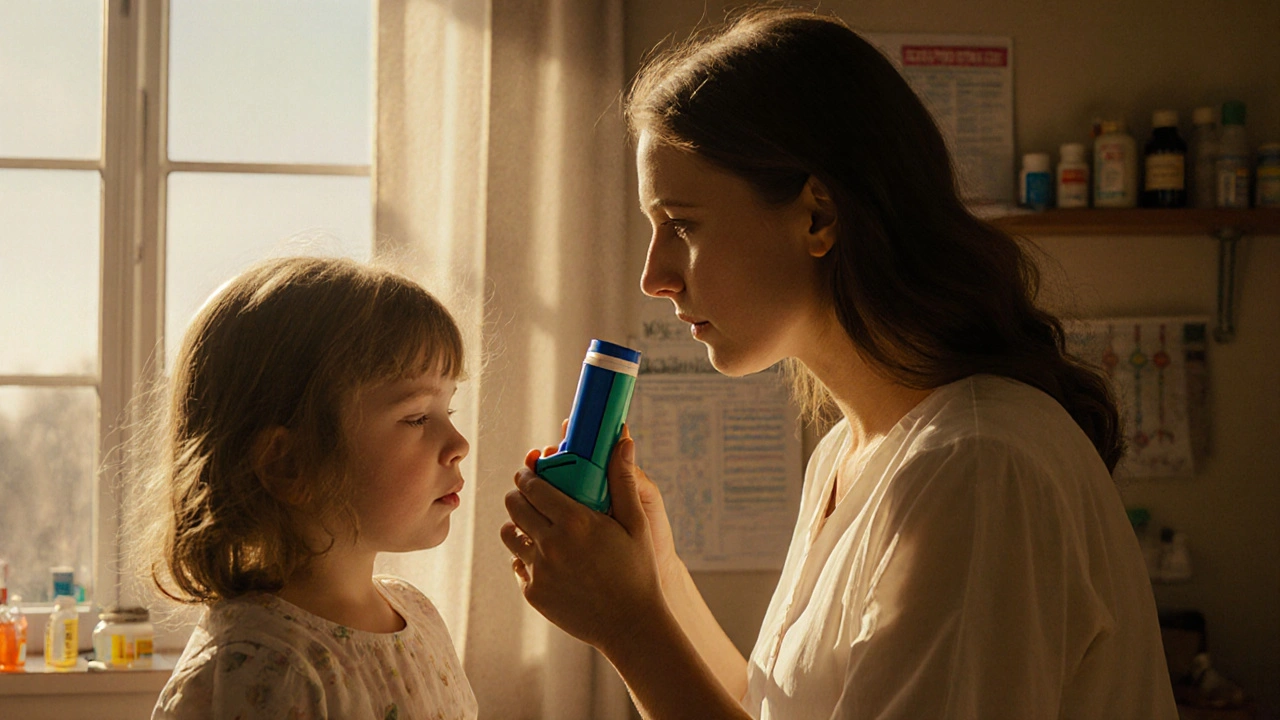
When your child’s asthma inhaler suddenly looks different - maybe it’s a new color, a different shape, or the name on the box changed - it’s easy to assume it’s the same medicine. But for kids, that small change can mean big risks. Across the U.S., insurers and pharmacies are switching children from brand-name medications to generics more often than ever, mostly to cut costs. What most parents don’t realize is that generic medications for children aren’t always as interchangeable as they seem.
Why Switching Medications for Kids Is Different
Adults can often switch from brand-name drugs to generics without issue. But children aren’t small adults. Their bodies process medicine differently. A child’s liver and kidneys are still developing. Their stomachs absorb drugs at different rates. Their metabolism changes dramatically between infancy and adolescence. These differences matter - a lot. Take tacrolimus, a drug used after organ transplants. A 2015 study found that when pediatric heart transplant patients switched from the brand-name Prograf to a generic version, their blood levels dropped by an average of 14%. That’s not a small fluctuation. It can mean the difference between the body accepting the new organ or rejecting it. The FDA says generics must be within 80-125% of the brand-name drug’s effectiveness. That range works for adults with stable systems. For a 2-year-old on seizure medication, that window can be dangerous.Medications That Are Riskier to Switch
Some drugs are especially sensitive to small changes in how they’re absorbed or processed. These are called narrow therapeutic index (NTI) drugs. Even tiny differences in blood levels can cause serious side effects or treatment failure. For children, these include:- Antiseizure drugs (phenytoin, valproic acid)
- Immunosuppressants (tacrolimus, cyclosporine)
- Thyroid medications (levothyroxine)
- Antidepressants and ADHD medications (like methylphenidate)
- Warfarin (blood thinner)
How Formulary Switches Hurt Kids With Chronic Illnesses
Asthma is the most common chronic condition in U.S. children, affecting over 6 million. Kids with asthma need consistent, reliable medication. When their inhaler changes - even if it’s the same active ingredient - caregivers often get confused. One parent told me her daughter stopped using her inhaler after the color changed from blue to green. She thought it was a different drug. That’s not unusual. Studies show adherence drops by 15-20% after a formulary switch. Why? Because kids rely on routines. The shape of the pill, the taste of the liquid, the way the inhaler clicks - all of it matters. A child who’s used to a sweet cherry-flavored suspension might refuse a new version that tastes bitter, even if it’s the same medicine. And if they stop taking it, their asthma worsens. Emergency visits go up. Hospitalizations rise.Inactive Ingredients Can Cause Real Problems
Generics have the same active ingredient as brand-name drugs - that’s required. But the fillers, dyes, preservatives, and flavorings? Those can be completely different. For most people, that’s harmless. For some children, it’s not. A 2015 report from Nationwide Children’s Hospital found that children with allergies or sensitivities sometimes reacted to new dyes or preservatives in generic versions. One child developed a rash after switching from brand-name omeprazole to a generic. The active ingredient was identical. But the new version used a dye that triggered a reaction. The family didn’t connect the two until they switched back. These reactions are rare, but they happen. And because pediatric pharmacists aren’t always trained to ask about inactive ingredients, these cases get missed.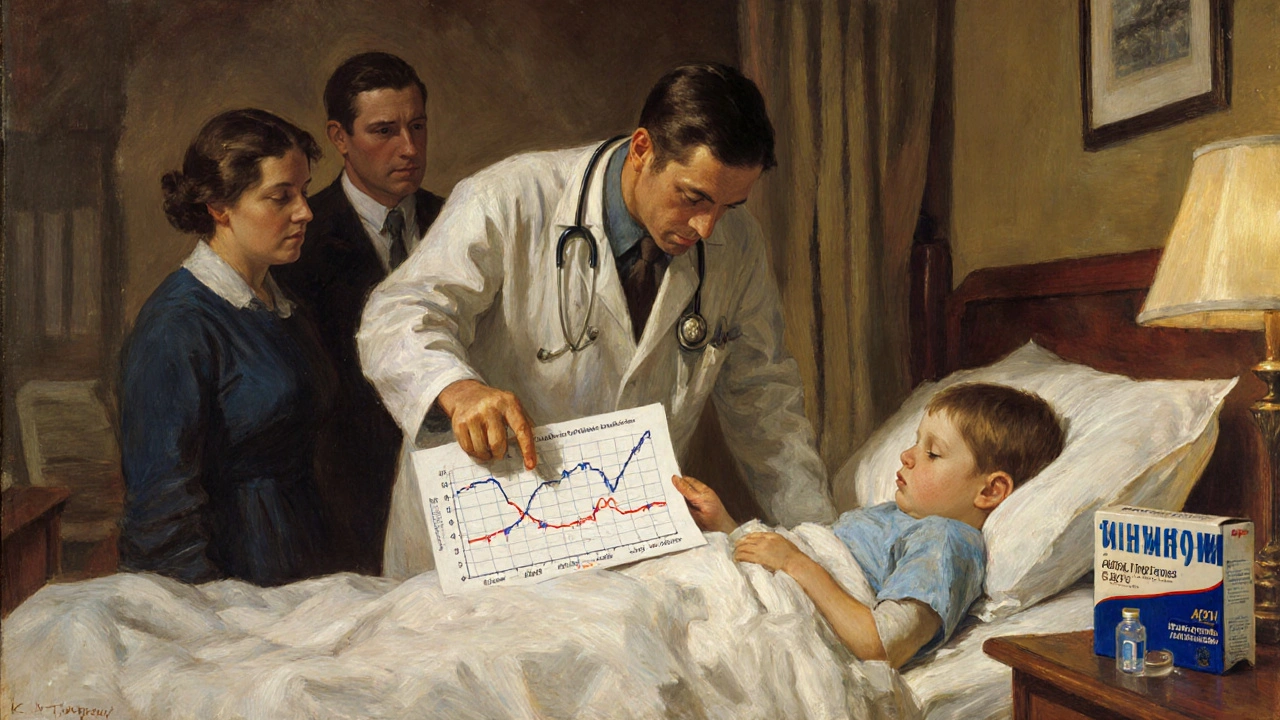
Insurance Rules Are Driving the Switches - Not Doctors
Most switches aren’t initiated by doctors. They’re forced by insurance companies. This is called non-medical formulary switching (NMFS). Insurers change which drugs they cover to get lower prices. Sometimes, the brand-name drug stays on the market, but the insurer stops paying for it unless the patient pays more out of pocket. That’s when pharmacies start handing out generics - often without telling the family. In 2021, UnitedHealthcare changed its formulary for 4.2 million children. One in five kids on long-term medication had to switch. Many of those switches happened without the family being told in advance. That’s a problem. If you’re managing your child’s epilepsy or heart condition, you need to know when the medication changes - not find out when the seizure comes back.What States Are Doing - And What They’re Not
Rules vary wildly by state. In 19 states, pharmacists are required to substitute generics without asking. In 7 states and Washington, D.C., they must get your consent. In 31 states, they just have to notify you - sometimes only by a sticker on the bottle. A 2009 study found that states requiring consent had 25% fewer generic switches. That tells you something: when parents are involved, fewer risky switches happen. California passed a law in 2022 requiring Medicaid plans to have pediatric review committees before changing drug lists. That’s a step forward. But most states still don’t have any special protections for kids.What Parents Can Do
You can’t control insurance policies. But you can protect your child. Here’s what to do:- Ask before any switch: If your child’s medication changes, ask: “Is this the same as before? Is it a generic? Has it been tested in kids this age?”
- Check the label: Look at the color, shape, size, and flavor. If it’s different, ask why.
- Know the active ingredient: Write it down. For example, “montelukast” is the active ingredient in Singulair. If the new pill says “montelukast,” that’s good - but still ask about the rest.
- Watch for side effects: If your child starts having new symptoms - more seizures, worse asthma, mood swings, rashes - after a switch, call the doctor immediately.
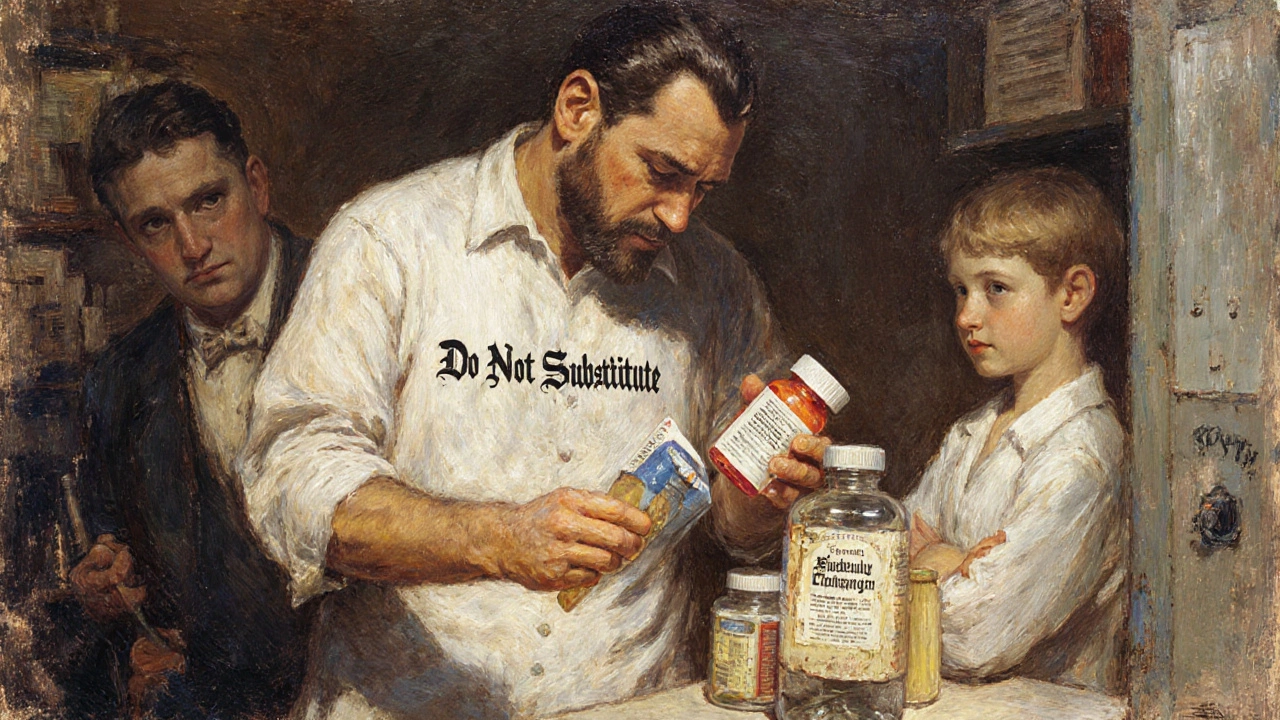
- Request a written note: Ask your pediatrician to write “Do Not Substitute” on the prescription if the drug is critical. Not all pharmacies honor this, but many do.
- Keep a log: Track your child’s symptoms, medication name, and date of any switch. This helps doctors spot patterns.
Why This Isn’t Getting Fixed
The FDA approved generic drugs for adults in the 1980s using standards that don’t account for children’s physiology. Even today, only 12% of generic drug approvals between 2010 and 2020 included pediatric studies. The FDA admits this is a gap. But they haven’t changed the rules. Pharmaceutical companies don’t invest in pediatric studies for generics because there’s no profit in it. Insurance companies don’t care as long as they save money. And doctors are often left out of the loop until something goes wrong. The American Academy of Pediatrics says this is a lost opportunity. We’re not just saving money - we’re risking children’s health.The Future: Change Is Coming, But Slowly
There’s hope. The FDA launched its Pediatric Formulation Initiative in 2022 to improve child-friendly drug designs. The PREEMIE Reauthorization Act in 2023 included funding for pediatric drug development. The AAP is finalizing new guidelines for generic prescribing in pediatrics, expected by late 2024. But until then, the burden falls on parents. You’re the only one who knows your child’s routine, their symptoms, their behavior. If something feels off after a switch - trust that feeling. Push back. Ask questions. Don’t let a cost-saving policy become a health crisis.Are generic medications safe for children?
For many children, generics are safe and effective. But not all. For drugs with narrow therapeutic windows - like seizure meds, transplant drugs, or thyroid hormones - even small changes in how the body absorbs the drug can cause serious problems. Always check with your pediatrician before switching.
Can a change in pill color or flavor hurt my child?
The color or flavor itself won’t change how the medicine works. But it can cause confusion. Kids rely on routine. If the pill looks or tastes different, they may refuse to take it. Some children also have allergies to dyes or flavorings in generics that weren’t in the brand-name version.
Why do pharmacies switch my child’s medication without telling me?
In most states, pharmacists are allowed to substitute generics without asking. Insurance companies push for cheaper options, and pharmacies follow those rules. They’re not required to notify you unless your state has specific laws. Always ask if your child’s medication changed - don’t wait for them to tell you.
What should I do if my child’s condition gets worse after a switch?
Contact your pediatrician immediately. Keep a record of when the switch happened and what symptoms changed. Many doctors will help you get the original medication back, especially if it’s a high-risk drug. Don’t assume it’s just a coincidence - medication switches are a common cause of treatment failure in children.
Can I refuse a generic switch for my child?
Yes. You can ask your doctor to write “Dispense as Written” or “Do Not Substitute” on the prescription. Some insurers will still try to override it, but many will honor it - especially if your child has a chronic condition. You can also appeal your insurance decision. You have the right to request the original medication if it’s medically necessary.
LINDA PUSPITASARI
November 30, 2025 AT 03:18My son switched to a generic asthma inhaler last year and started coughing at night like crazy 😣 I thought it was allergies until I noticed the pill color changed. We called the doc and switched back-his sleep improved in 2 days. Why don’t pharmacies just TELL us?!
gerardo beaudoin
December 1, 2025 AT 06:14Yeah this is real. My niece’s seizure med got switched and she had 3 seizures in one week. We didn’t even know until the ER. Doctors need to be in the loop, not just insurance bots.
Peter Lubem Ause
December 1, 2025 AT 18:54As a parent of a child on immunosuppressants post-transplant, I can confirm: generics are not always interchangeable. My son’s tacrolimus levels dropped 18% after the switch. We had to fight the insurer for 6 weeks to get the brand back. The system is broken when cost overrides clinical safety. Pediatric pharmacology is not adult pharmacology with smaller pills.
Latika Gupta
December 3, 2025 AT 04:49I think you're overreacting. My kid takes generic levothyroxine and he's fine. Maybe your kid just needs better discipline to take medicine?
Sohini Majumder
December 3, 2025 AT 11:22OMG I can’t believe this is even a thing??? Like… why are we letting big pharma and insurance companies play Russian roulette with our kids’ lives?? I’m literally crying rn 😭😭😭
Andrew Keh
December 5, 2025 AT 03:04It’s concerning that pharmacists can substitute without consent. I believe in cost savings, but children’s health needs special consideration. A standardized notification process across states would help a lot.
stephen idiado
December 6, 2025 AT 02:59NTI drugs? Please. It’s all fearmongering. If the FDA approved it, it’s fine. Stop being hysterical.
Robert Bashaw
December 6, 2025 AT 12:04They’re swapping my daughter’s seizure med like it’s a flavor of yogurt. ‘Here’s your new cherry-flavored brain pill!’ No. Just… no. I’m done letting corporations treat my kid like a spreadsheet cell.
Tina Dinh
December 8, 2025 AT 10:48THIS NEEDS TO GO VIRAL 😤🔥 Let’s tag every senator and demand pediatric formulary reviews! My cousin’s kid had a hospital stay because of this. We can’t stay silent!
Matthew Higgins
December 9, 2025 AT 21:53My kid’s inhaler changed color and he refused to use it for 3 weeks. I thought he was being dramatic… turns out he thought it was a different drug. Kids notice EVERYTHING. We gotta stop treating them like adults.
Jennifer Wang
December 11, 2025 AT 09:34The FDA’s 80–125% bioequivalence standard was never validated for pediatric populations. The absence of pediatric pharmacokinetic data in generic submissions represents a critical regulatory gap that demands immediate revision.
Brandy Johnson
December 13, 2025 AT 06:11Why do Americans always expect everything to be perfect? In Germany, generics are standard. If your child can’t tolerate a generic, that’s your problem, not the system’s.
Subhash Singh
December 14, 2025 AT 21:48The pharmacokinetic variability in pediatric populations is well-documented in the literature. The current regulatory framework for generic substitution fails to account for developmental pharmacology, particularly in the first five years of life.
Geoff Heredia
December 16, 2025 AT 08:14Did you know the FDA gets funding from Big Pharma? This is all a cover-up. They’re letting kids die so they can sell more generics. The same people who made Vioxx are behind this. Wake up.
Monica Lindsey
December 16, 2025 AT 22:09You’re all so dramatic. If your kid can’t handle a generic, maybe they shouldn’t be on meds at all.