
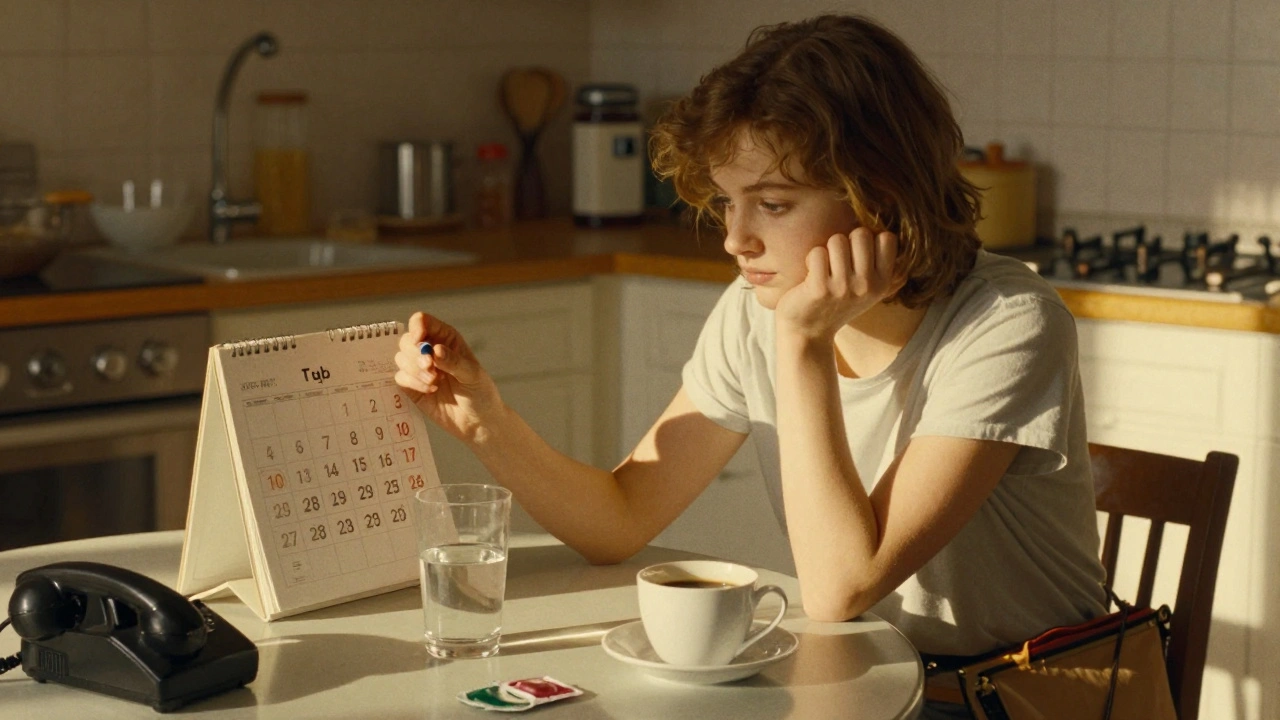
Birth control pills are one of the most common ways women prevent pregnancy-but they’re not as simple as just popping a pill every day. If you’re thinking about starting them, or already taking them and wondering why your period changed or why you feel off, you’re not alone. The truth is, birth control pills work great when used perfectly, but life isn’t perfect. Missed pills, interactions with other meds, and side effects can turn what should be a straightforward solution into a source of stress. This isn’t about scare tactics. It’s about knowing what really happens in your body, what to expect, and how to make sure it actually works for you.
How Effective Are Birth Control Pills Really?
You’ll hear two numbers: 99% effective and 93% effective. Which one’s right? Both. The 99% figure is perfect use-taking the pill at the same time every single day, no delays, no missed doses. In that ideal world, fewer than 1 in 100 women get pregnant in a year. But real life? People forget. People travel. People get sick. That’s where the 93% comes in-typical use. That means 7 out of every 100 women using the pill will get pregnant in a year. That’s not a small gap. It’s the difference between feeling confident and feeling anxious.
Compare that to an IUD or implant. Those work at 99%+ effectiveness even if you forget they exist. They don’t need daily action. The pill? It needs you. And that’s why younger women-especially under 21-are at higher risk. Studies show they’re nearly twice as likely to experience unintended pregnancy on the pill compared to women over 21. Not because they’re careless. Because life is busy. And a pill you forget to take once a week isn’t just a slip-up-it’s a 5% chance of pregnancy.
Also, the pill doesn’t start working right away. If you begin on the first day of your period, you’re protected immediately. But if you start later, you need to use a backup method like condoms for the first 7 days. Skipping that step is one of the most common reasons for accidental pregnancy.
What Are the Side Effects?
Most side effects are mild and fade within 2-3 months. But that doesn’t mean they’re not real. The most common ones include:
- Nausea (usually goes away after a few weeks)
- Breast tenderness
- Spotting between periods (especially in the first few months)
- Mood changes, including low mood or anxiety
- Headaches
- Weight gain (though studies show it’s usually minimal-less than 2-4 pounds on average)
Some women feel better on the pill. Their periods become lighter, less painful, and more predictable. Acne improves-especially with pills containing drospirenone or norethindrone, which are FDA-approved for acne treatment. PMS symptoms often drop by half. That’s why many women stay on them even after they don’t need contraception anymore.
But there are rare, serious risks. These are uncommon, but you need to know them:
- Increased risk of blood clots (especially in women over 35, smokers, or those with a history of clots)
- Higher chance of stroke or heart attack (linked to estrogen, especially in older pills or if you have high blood pressure)
- High blood pressure (monitor this if you’ve been on the pill for years)
Modern pills have much lower estrogen doses than the ones from the 1960s. Back then, pills had up to 10,000 micrograms of estrogen. Today’s pills have 20-35 micrograms. That’s why the risk of serious side effects has dropped dramatically. Still, if you smoke, are over 35, or have a history of blood clots, migraines with aura, or certain cancers, the pill may not be safe for you.
What Medications and Supplements Interfere With the Pill?
This is the part most people don’t know-and it’s dangerous if you don’t. The pill can be weakened by several common medications and herbs:
- Antibiotics: Only one, rifampin (used for tuberculosis), is proven to reduce pill effectiveness. Most other antibiotics, like amoxicillin or azithromycin, do not.
- Anti-seizure drugs: Phenytoin, carbamazepine, and topiramate can make the pill fail.
- HIV meds: Some protease inhibitors and non-nucleoside reverse transcriptase inhibitors interfere.
- St. John’s Wort: This herbal supplement for depression can lower hormone levels enough to cause ovulation.
- Some antifungals: Griseofulvin can reduce effectiveness.
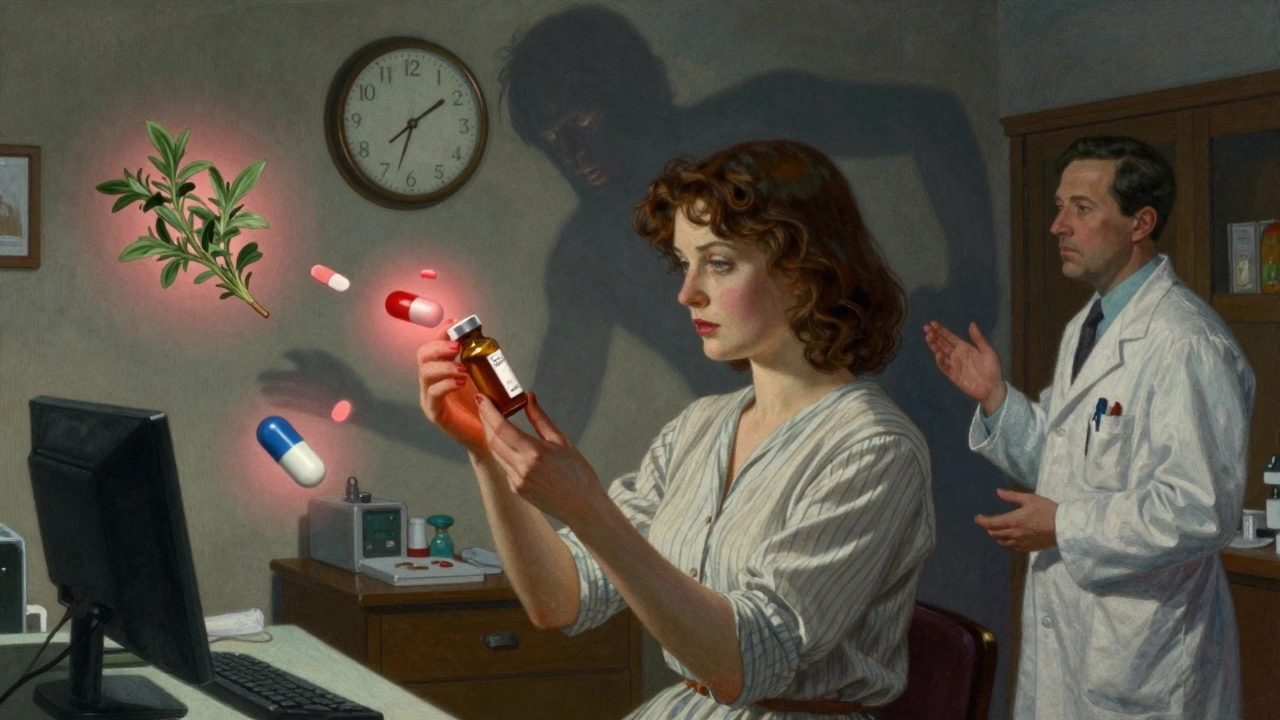
If you’re prescribed anything new-especially for seizures, HIV, or tuberculosis-always ask: “Will this make my birth control pill less effective?” If the answer is yes, you’ll need a backup method for at least 7 days after stopping the interfering drug. Don’t assume your doctor knows about your pill unless you tell them.
Also, don’t rely on “natural” remedies without checking. Many people think herbal stuff is safe. But St. John’s Wort? It’s a known pill killer. And it’s sold in every health food store.
Progestin-Only Pills: The ‘Mini-Pill’ Difference
Not all birth control pills are the same. There are two types: combined pills (estrogen + progestin) and progestin-only pills (POPs), often called the “mini-pill.”
Combined pills are the most common. They’re more forgiving-if you’re an hour late, you’re probably still protected. But the mini-pill? It’s strict. You have to take it at the same time every day, within a 3-hour window. Miss that window, and your protection drops fast. The failure rate for typical use is higher than combined pills: about 9% instead of 7%.
So why use it? Because it’s safer for some women. If you can’t take estrogen-because you’re breastfeeding, have migraines with aura, high blood pressure, or a history of blood clots-the mini-pill is often the best choice. It’s also used by women over 35 who smoke. It doesn’t carry the same clotting risks as estrogen.
Newer versions like Slynd® use a higher dose of drospirenone and have a 24-hour window instead of 3, making them easier to use. But most still require strict timing.
What Happens When You Stop Taking the Pill?
Many women worry they’ll be infertile after long-term use. That’s a myth. Your body doesn’t “remember” the pill. Once you stop, ovulation usually returns within weeks. Studies show 97% of women have a period again within 90 days after stopping. Fertility returns just as quickly as if you’d never taken the pill.
Some women get their period back immediately. Others take a few months. That’s normal. Your cycle might be irregular at first. Don’t assume you’re not ovulating just because you haven’t had a period yet. You can get pregnant before your first post-pill period.
Also, the symptoms you had before starting the pill-like heavy periods, bad acne, or severe PMS-might come back. That doesn’t mean the pill caused them. It means it was masking them.
Is the Pill Right for You?
There’s no one-size-fits-all answer. Here’s a quick checklist:
- Good fit if: You’re under 35, don’t smoke, want to regulate your cycle, have acne or painful periods, and can remember to take a pill daily.
- Not ideal if: You’re over 35 and smoke, have a history of blood clots, migraines with aura, uncontrolled high blood pressure, liver disease, or breast cancer.
- Consider the mini-pill if: You’re breastfeeding, can’t take estrogen, or are over 35.
- Think about LARCs if: You’ve missed pills before, don’t want to think about contraception daily, or want the most reliable protection.
The pill is a tool-not a cure-all. It’s not better than an IUD. It’s not worse. It’s just different. It gives you control, but it demands responsibility. If you’re someone who forgets to charge your phone, you might want to consider something that doesn’t need daily attention.
What About STIs?
Birth control pills do nothing to protect you from sexually transmitted infections. None of them do. If you’re not in a monogamous relationship, or you’re seeing someone new, condoms are still essential. The pill won’t stop chlamydia, gonorrhea, HIV, or HPV. Using condoms with the pill is the smartest combo: pregnancy prevention + infection protection.
And if you’re worried about side effects, don’t suffer in silence. If your mood drops, your headaches get worse, or you notice swelling in your legs, talk to your doctor. There are dozens of pill formulations. You might just need a different type of progestin or a lower dose. You don’t have to stick with the first one you tried.
Desmond Khoo
December 8, 2025 AT 01:49Helen Maples
December 9, 2025 AT 23:48Olivia Hand
December 10, 2025 AT 03:22Nicholas Heer
December 11, 2025 AT 04:12Sangram Lavte
December 11, 2025 AT 04:41Nancy Carlsen
December 11, 2025 AT 18:03Sadie Nastor
December 12, 2025 AT 07:22Kyle Oksten
December 13, 2025 AT 06:35Stacy here
December 15, 2025 AT 00:28Wesley Phillips
December 16, 2025 AT 02:32Ashley Farmer
December 17, 2025 AT 08:10